Hygienic Seals & Sanitary Gaskets
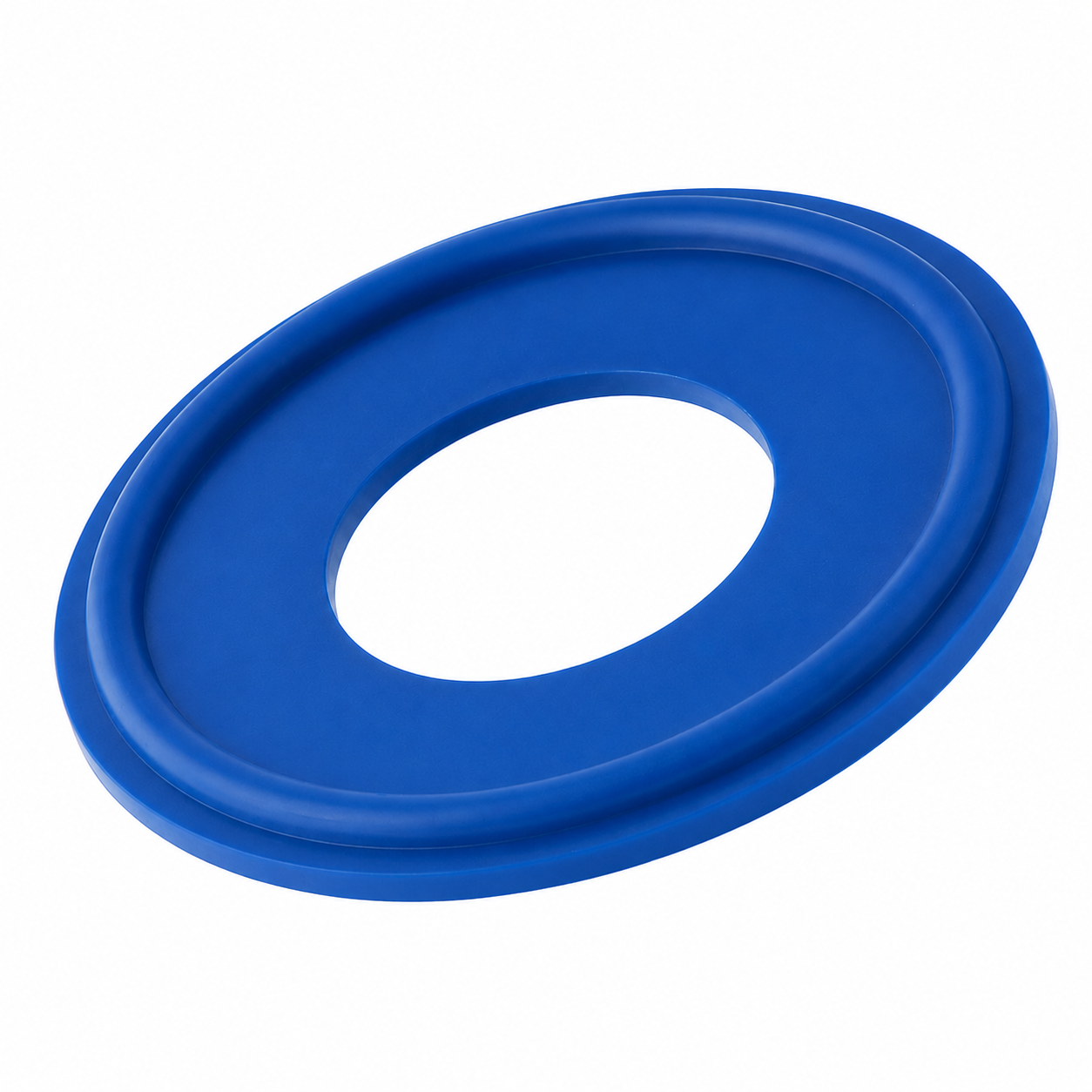
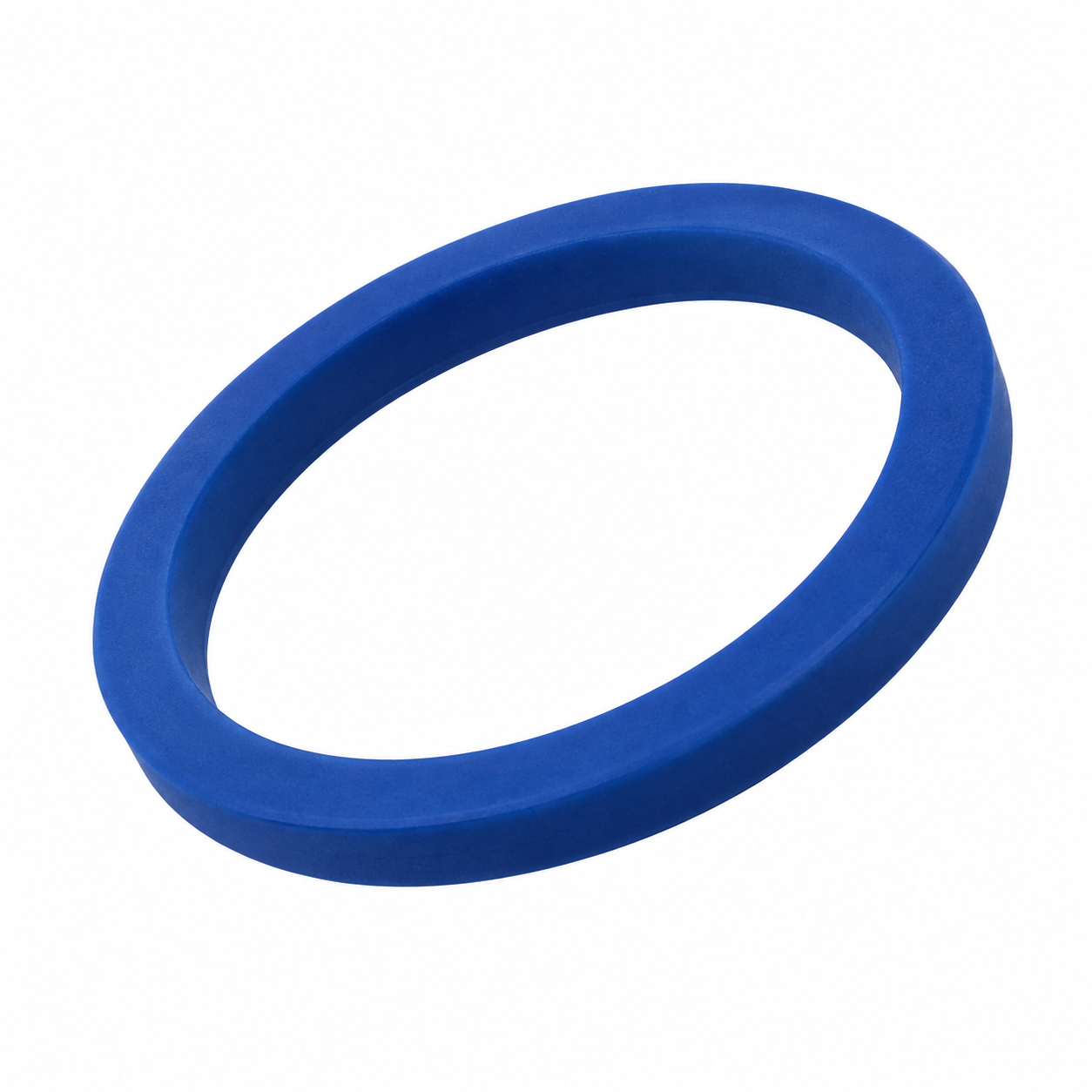
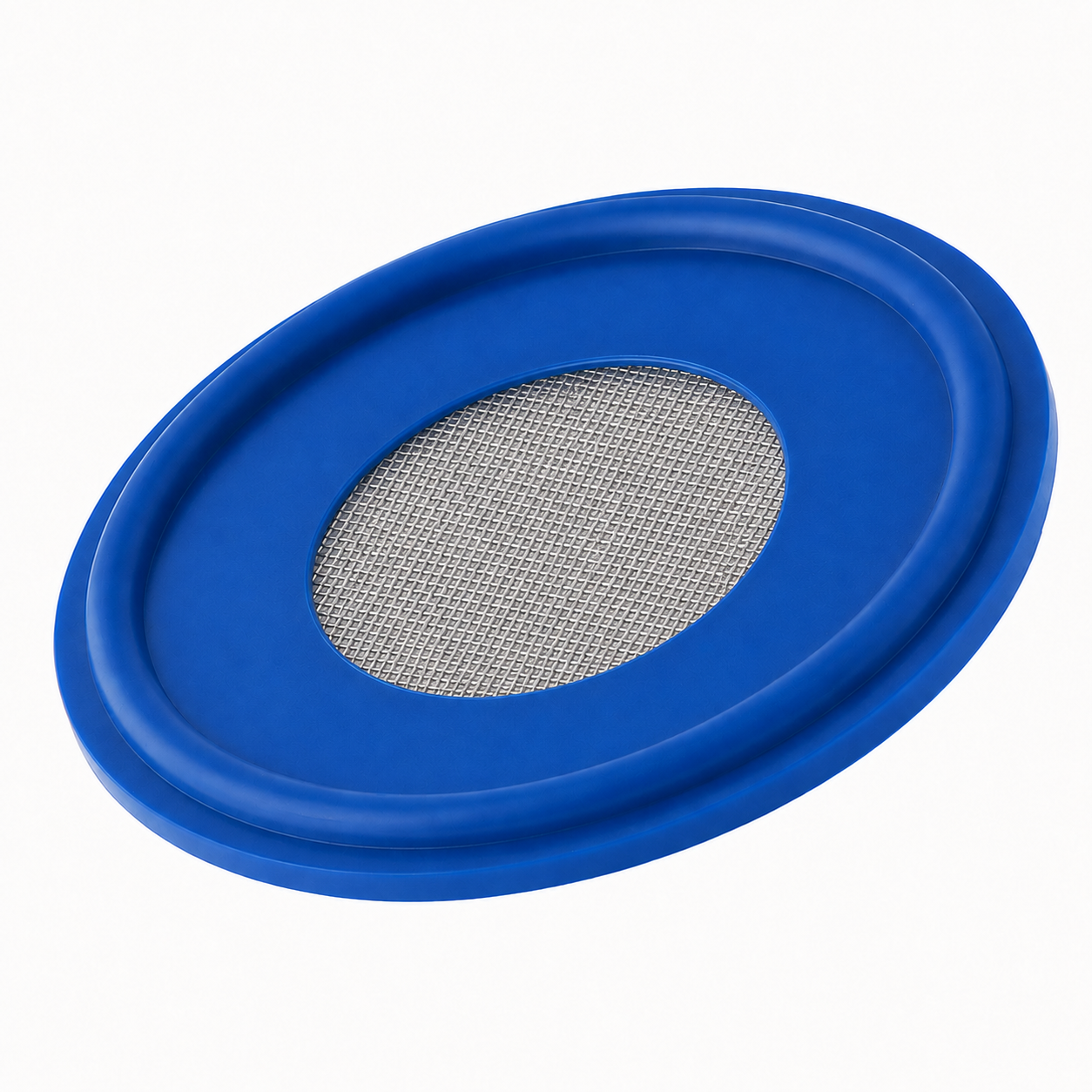
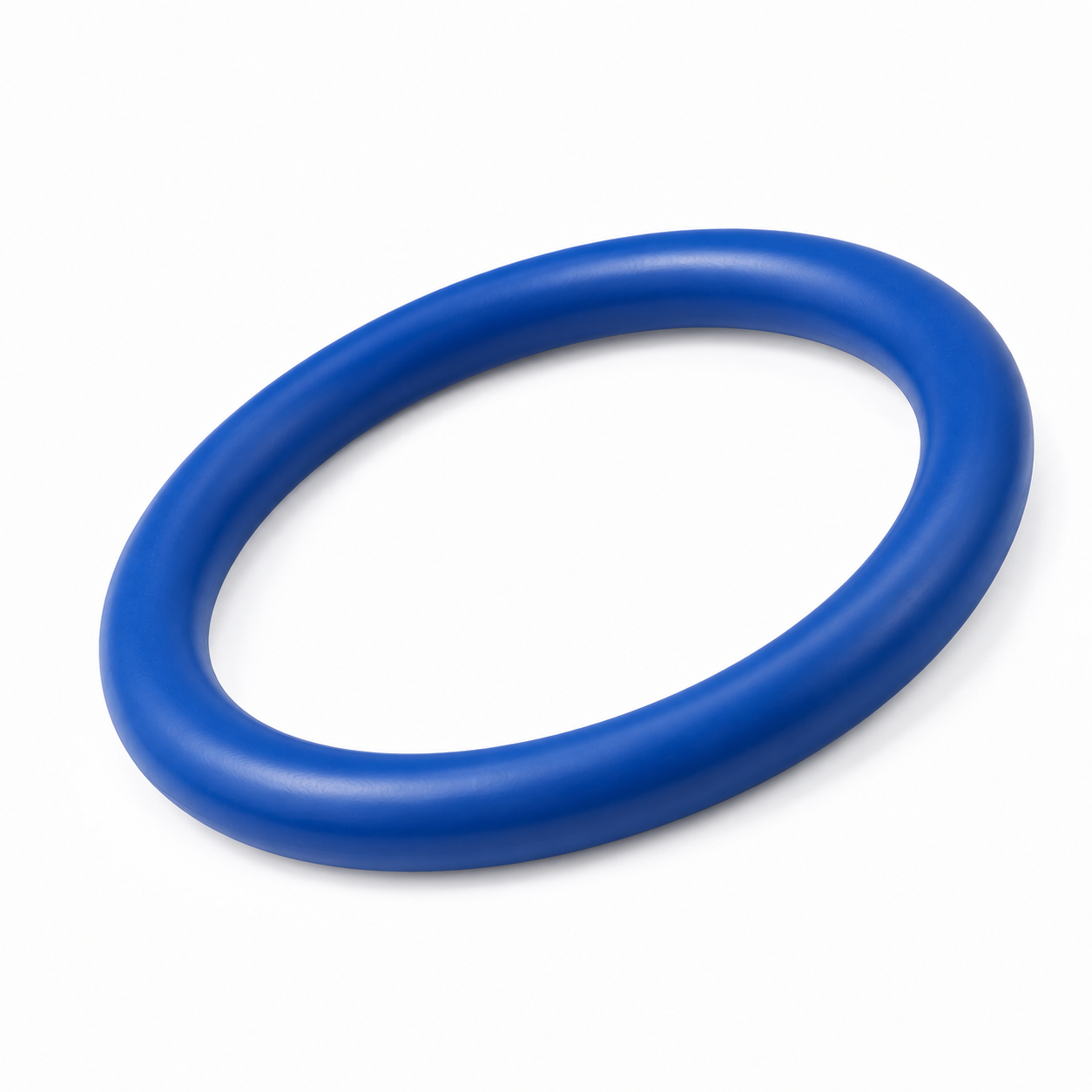
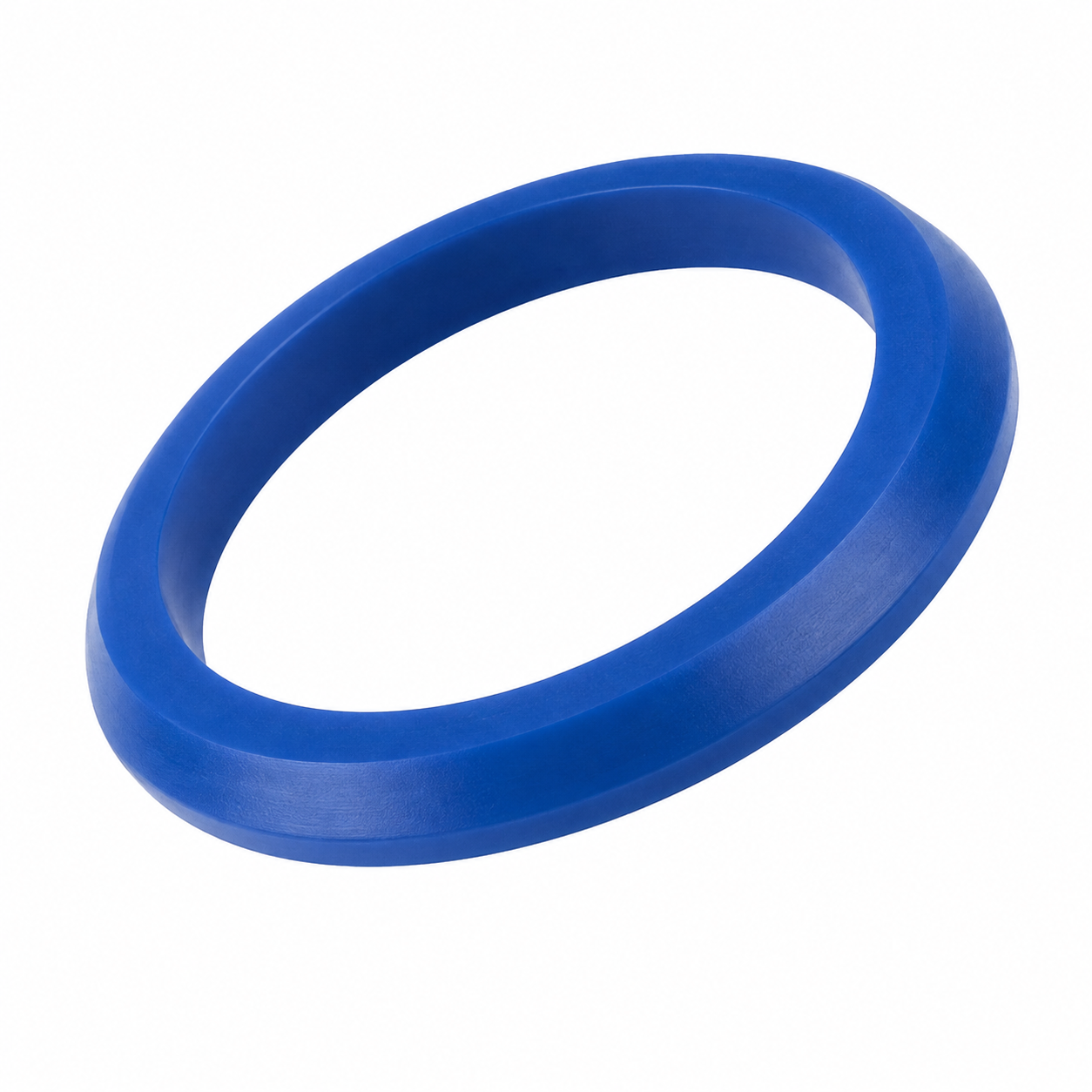
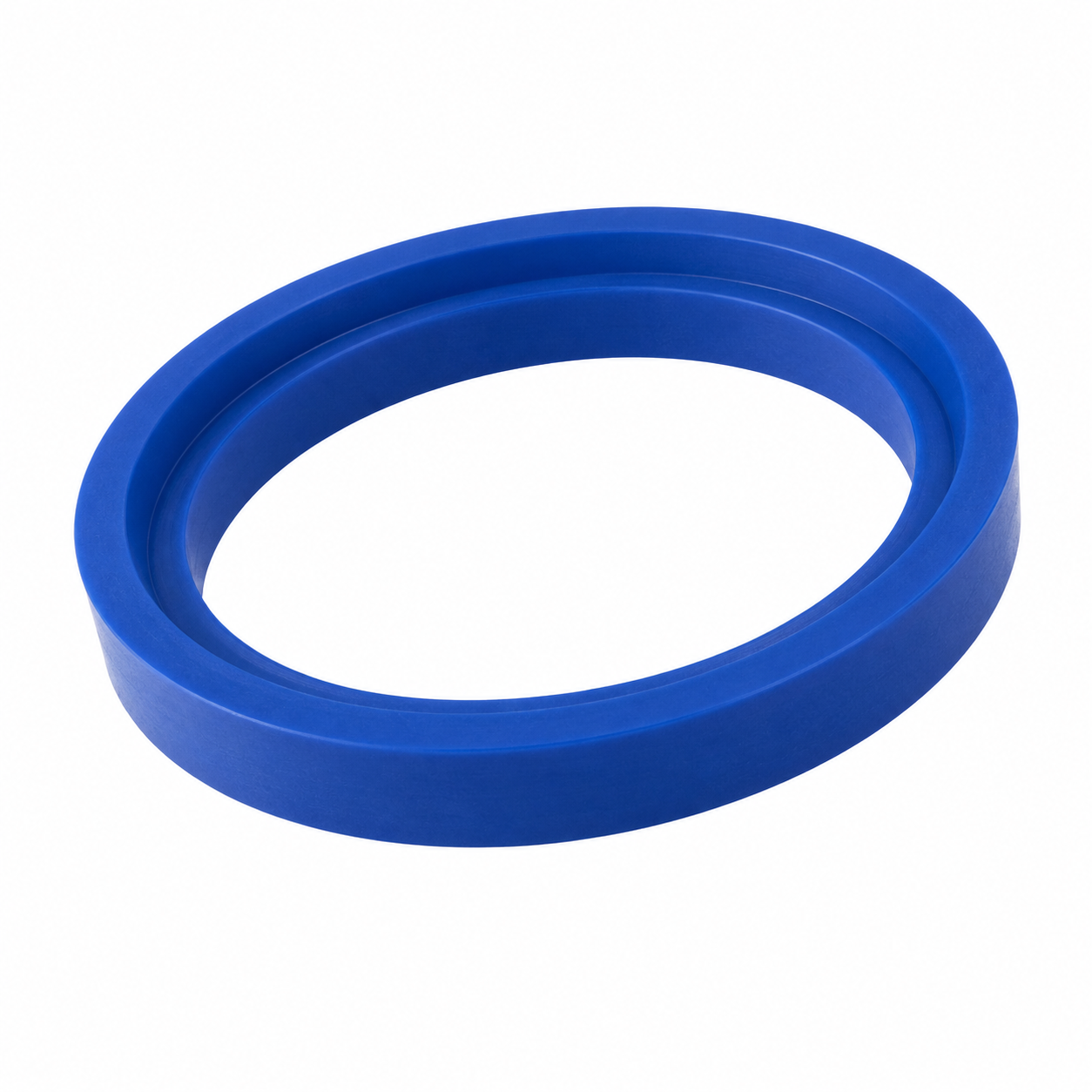
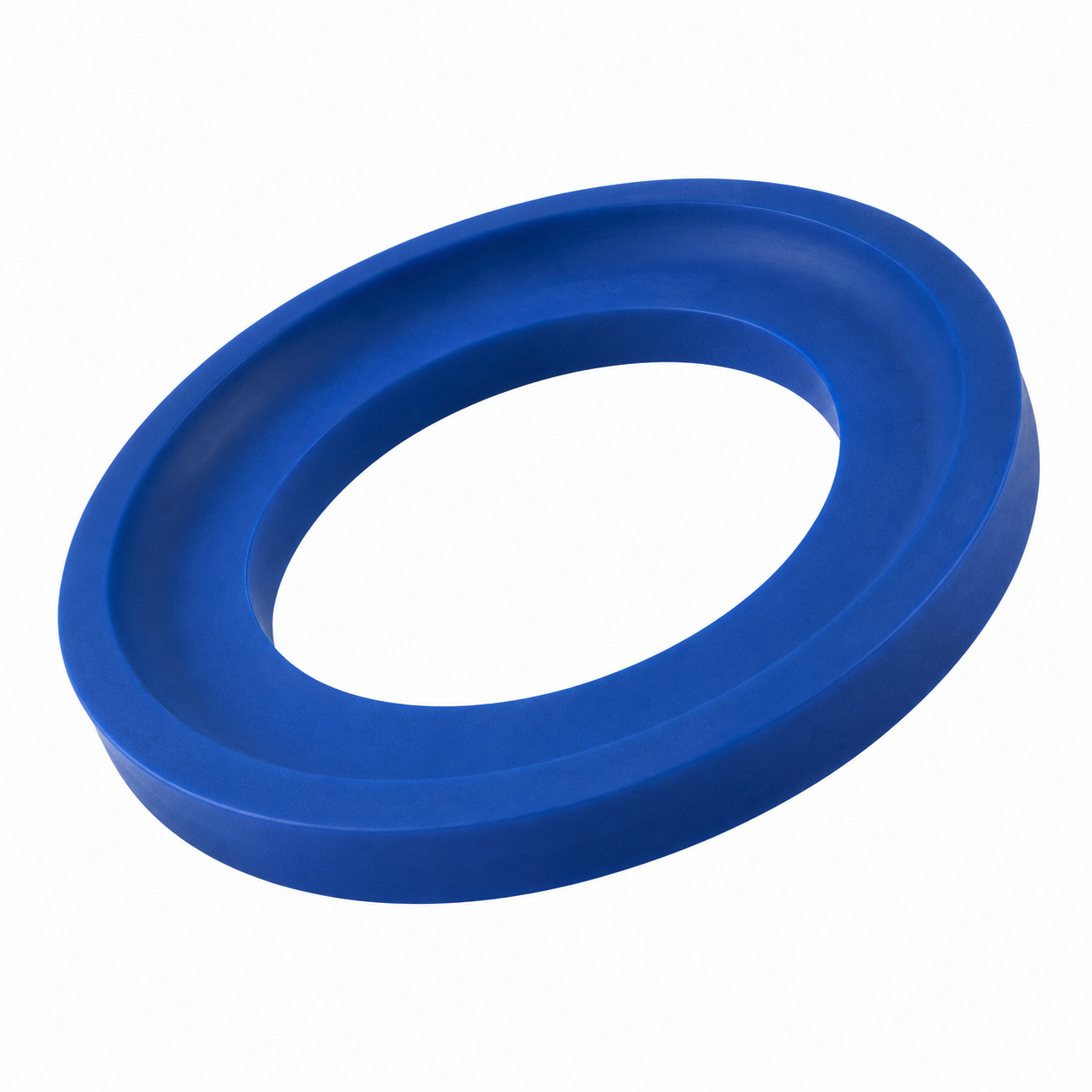
International Seal supplies hygienic seals and sanitary gaskets for food, beverage, dairy, pharmaceutical and hygienic process systems. Our range includes Tri-Clamp gaskets, RJT seals, DIN 11851 seals, SMS seals, Screen Gaskets, Bevel Seat gaskets, Camlock seals, John Perry gaskets and ILC seals.
Available across a range of sealing materials and profiles, our hygienic seals can be selected according to the connection type, process media, cleaning regime and operating requirements of the application.
Hygienic Seal & Sanitary Gasket Range
Explore our hygienic seals and sanitary gaskets by connection type below. Each product page provides material and application guidance, with metric and imperial sizes, drawings and downloadable product data where available. Match the gasket profile and dimensions to your connection, nominal pipe size alone may not identify the correct seal.
What We Hold in UK Stock
Tri-Clamp gaskets, RJT joint rings, DIN 11851 seals, SMS seals and EPDM screen gaskets are held in UK stock in core sizes for same-day dispatch. Other profiles, materials and sizes are available to order. Tell us the connection type, size, material and quantity and we will confirm stock and lead time the same day.
What Are Hygienic Seals & Sanitary Gaskets?
Hygienic seals are sealing components designed for sanitary process connections where cleanliness, product integrity and reliable sealing are essential. They are widely used throughout food, beverage, dairy and pharmaceutical processing systems where pipework and equipment must be regularly cleaned, inspected or dismantled.
The terms hygienic seal and sanitary gasket are often used interchangeably. “Hygienic” terminology is common in the UK and Europe, while “sanitary gasket” is widely used within North American process industries.
Most hygienic seals are designed for a specific connection system. Tri-Clamp, RJT, DIN 11851, SMS, Bevel Seat, John Perry and ILC connections use different sealing profiles, so the correct gasket should be selected according to the connection type and seal geometry rather than nominal pipe size alone.
If an existing gasket cannot be identified, International Seal can assist using photographs, dimensions, drawings, part numbers or physical samples.
Types of Hygienic Seals & Sanitary Connections
Different hygienic process connections require different gasket profiles.
International Seal supplies seals for a wide range of sanitary connection systems, including Tri-Clamp, RJT, DIN 11851, SMS, Bevel Seat, John Perry, ILC and Camlock connections.
Connection design is particularly important when identifying replacement sanitary gaskets. Seals with similar nominal sizes may use different profiles, outside diameters or sealing geometries and should not automatically be treated as interchangeable.
If you are unsure which connection is installed on your equipment, send us photographs, measurements or an existing gasket and we can assist with identification.
Hygienic Seal Materials
Hygienic seals are available in a range of elastomer and specialist sealing materials depending on the gasket profile, process media, cleaning regime and operating conditions.
| Material |
Typical Use / Strengths |
Selection Considerations |
| EPDM |
Commonly used in hygienic processing, particularly with water-based products and cleaning systems. |
Check compatibility with process media, CIP chemicals and operating temperatures. |
| FKM |
Often selected where resistance to oils, chemicals or elevated temperatures is required. |
Suitability should be checked against both the production media and the cleaning cycle. |
| NBR |
Widely used where resistance to many oils and fats is required. |
Confirm compound suitability and any required food-contact documentation. |
| Silicone |
Used in selected hygienic applications where flexibility and broad temperature capability are beneficial. |
Chemical resistance and specific regulatory requirements should be confirmed. |
| PTFE |
Selected where broad chemical resistance or specialist sealing performance is required. |
Connection design and compression should be considered because PTFE behaves differently from elastomers. |
| FFKM |
Used in demanding applications requiring very high chemical resistance and specialist sealing performance. |
Generally specified where standard elastomers are unsuitable for the process conditions. |
Food-Contact Requirements & Material Documentation
Material data sheets and food-contact declarations are available on request for the compounds we supply. Documentation should be considered alongside the gasket profile, process conditions and cleaning regime, not in isolation.
When requesting a quotation, tell us whether your application specifies FDA, EC 1935/2004, 3-A or USP Class VI requirements. We will confirm what documentation can be provided for the proposed compound and gasket profile before confirming suitability.
Compliance applies to a specific material grade and product, not to a material family as a whole. Please include any required declarations, test reports or traceability information with your enquiry so the correct grade is quoted from the outset.
How to Select the Correct Hygienic Seal
Selecting the correct hygienic seal involves more than matching the nominal pipe size. The connection type, gasket profile, process media and operating conditions should all be considered.
When specifying a sanitary gasket, consider:
Considering these conditions together can help reduce premature swelling, hardening, chemical degradation, leakage and unnecessary gasket replacement.
Food, Beverage, Dairy & Pharmaceutical Applications
Hygienic seals and sanitary gaskets are used throughout process systems where reliable sealing, cleanability and product integrity are essential.
Typical applications include food manufacturing and processing, breweries, beverage production, dairy processing, pharmaceutical equipment, mixing and blending systems, pumps and valves, process tanks, filling equipment, transfer pipework and hygienic fluid-handling systems.
The appropriate gasket material and connection type should always be selected according to the individual operating conditions rather than industry alone.
View our Chemical Compatibility
Hygienic Seals for CIP & Cleaning Systems
Cleaning conditions can be just as important to gasket selection as the product being processed.
A hygienic seal may perform well against the production media but experience premature degradation if it is unsuitable for the chemicals, concentrations or temperatures used during cleaning.
For systems incorporating Clean-in-Place (CIP), consider the cleaning agents, concentration, exposure time, temperature and frequency alongside the normal production conditions.
Where elevated-temperature or steam cleaning is used, the gasket compound should also be confirmed as suitable for those conditions.
Hygienic gaskets should be regularly inspected for cracking, swelling, hardening, permanent deformation or other deterioration that may affect sealing performance.
How to Identify a Hygienic Seal
If the original gasket specification is unknown, International Seal can assist with identifying the correct replacement.
Useful information includes:
Where possible, also provide details of the process media, operating temperature, cleaning conditions and any required certification. If identification from photographs or measurements is not possible, a physical sample can also be reviewed.
International Seal can assist with identifying the appropriate gasket profile and material before quotation.
Metal & X-Ray Detectable Hygienic Seals
Metal and X-ray detectable compounds are available across selected hygienic sealing ranges for food and beverage processing environments where foreign-body contamination control forms part of the production system.
Detectable elastomers incorporate specialist additives designed to improve the ability of inspection equipment to identify fragments of gasket material if a seal becomes damaged during production.
Detection performance depends on factors including the compound, fragment size, processed product and inspection equipment. Performance should therefore be validated under the actual production conditions.
View our Metal Detectable Seals
Hygienic Seal FAQs
What is a hygienic seal?
A hygienic seal is a gasket or sealing component designed for sanitary process connections used within industries such as food, beverage, dairy and pharmaceutical manufacturing.
What is the difference between a hygienic seal and a sanitary gasket?
The terms are commonly used to describe the same category of sealing products. Hygienic seal terminology is common in the UK and Europe, while sanitary gasket is frequently used in North America.
What types of hygienic seals does International Seal supply?
International Seal supplies Tri-Clamp gaskets, Screen Gaskets, RJT seals, DIN 11851 seals, SMS seals, Bevel Seat gaskets, Camlock seals, John Perry gaskets and ILC seals.
Which material is best for a sanitary gasket?
There is no single material suitable for every application. Selection depends on the process media, cleaning chemicals, operating temperatures, gasket design and regulatory requirements.
Can International Seal identify an existing hygienic gasket?
Yes. Photographs, measurements, existing part numbers, technical drawings and physical samples can all help identify an unknown sanitary gasket.
Do you supply food-contact hygienic seals?
Food-contact grades are available across selected hygienic sealing ranges. The required regulatory documentation should be specified when requesting a quotation so the appropriate compound can be supplied.
Which hygienic seal standard applies to my connection?
The seal is determined by the fitting, not the pipe. Tri-Clamp connections use BS 4825 Part 3 gaskets, RJT unions use BS 4825 Part 5 joint rings, DIN 11851 threaded unions use DIN 11851 seals, and SMS unions use SMS 1149 seals. Dimensions differ between standards, so a gasket from one system will not seal correctly in another.
Do you supply metric sanitary gaskets?
Yes. Hygienic seals are supplied in both metric and imperial sizes depending on the connection standard — DIN 11851 and SMS are metric, Tri-Clamp and RJT are imperial. Tell us the fitting standard and nominal size and we will confirm the correct gasket.
What is the difference between a hygienic clamp gasket and a Tri-Clamp gasket?
They are the same component. “Hygienic clamp gasket”, “sanitary clamp gasket”, “Tri-Clamp gasket” and “Tri-Clover gasket” all describe the gasket used in a clamped hygienic union to BS 4825 Part 3 or DIN 32676. Dimensions differ between the two standards, so confirm which applies.
How do I find the size of a hygienic seal?
- Measure the gasket outside diameter, the inside diameter and the section thickness, then check them against the dimension table on the relevant product page. Nominal pipe size alone will not identify the seal.
How quickly can you dispatch?
Core sizes across our stocked hygienic ranges dispatch the same day. Anything held to order is quoted with a confirmed lead time before you commit.
Are metal detectable hygienic seals available?
Metal and X-ray detectable materials are available across selected gasket profiles. Detection performance should be validated using the customer’s actual product and inspection equipment.
Need a Hygienic Seal or Sanitary Gasket Quote?
Whether you know the exact gasket specification or need help identifying an existing seal, International Seal can assist.
Send us the connection type, dimensions, material, process conditions and quantity where known. Photographs, drawings, existing part numbers and physical samples can also help us identify the correct product.