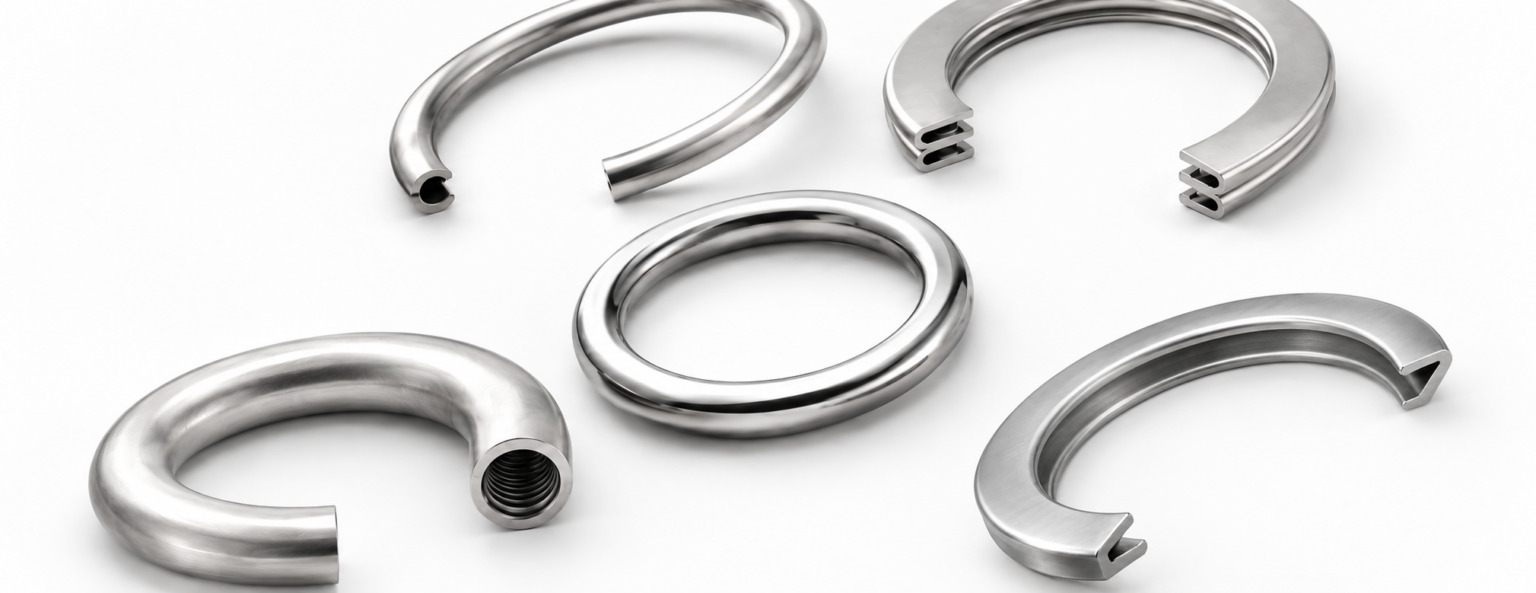
Metal Seals & Metallic Seals

International Seal supplies high-performance metal seals for applications involving extreme temperatures, high pressures, vacuum service, aggressive media and demanding leakage requirements.

Our metallic sealing range includes metal O-rings, C-rings, E-rings, U-rings, V-rings and spring-energised designs, available in stainless steels, nickel-based superalloys and other specialist materials according to the operating environment.

As a UK supplier of engineered sealing products, we work from your dimensions, drawings, existing part numbers or samples. Metal seals can be manufactured to customer requirements across a range of profiles, alloys, wall thicknesses and surface finishes, and we can review an existing seal where a replacement or alternative supply route is needed.

metal seals hero

Metal Seal & Metallic Seal Range
International Seal supplies a range of metallic sealing profiles for high-temperature, high-pressure, vacuum and specialist industrial applications. Select a product below for design information, materials, typical applications and specification guidance.

Profile selection is determined by the sealing duty rather than by size alone. Pressure direction, available sealing space, flange movement, required springback and permissible seating load all influence which profile is appropriate, so seals of similar diameter are not necessarily interchangeable.

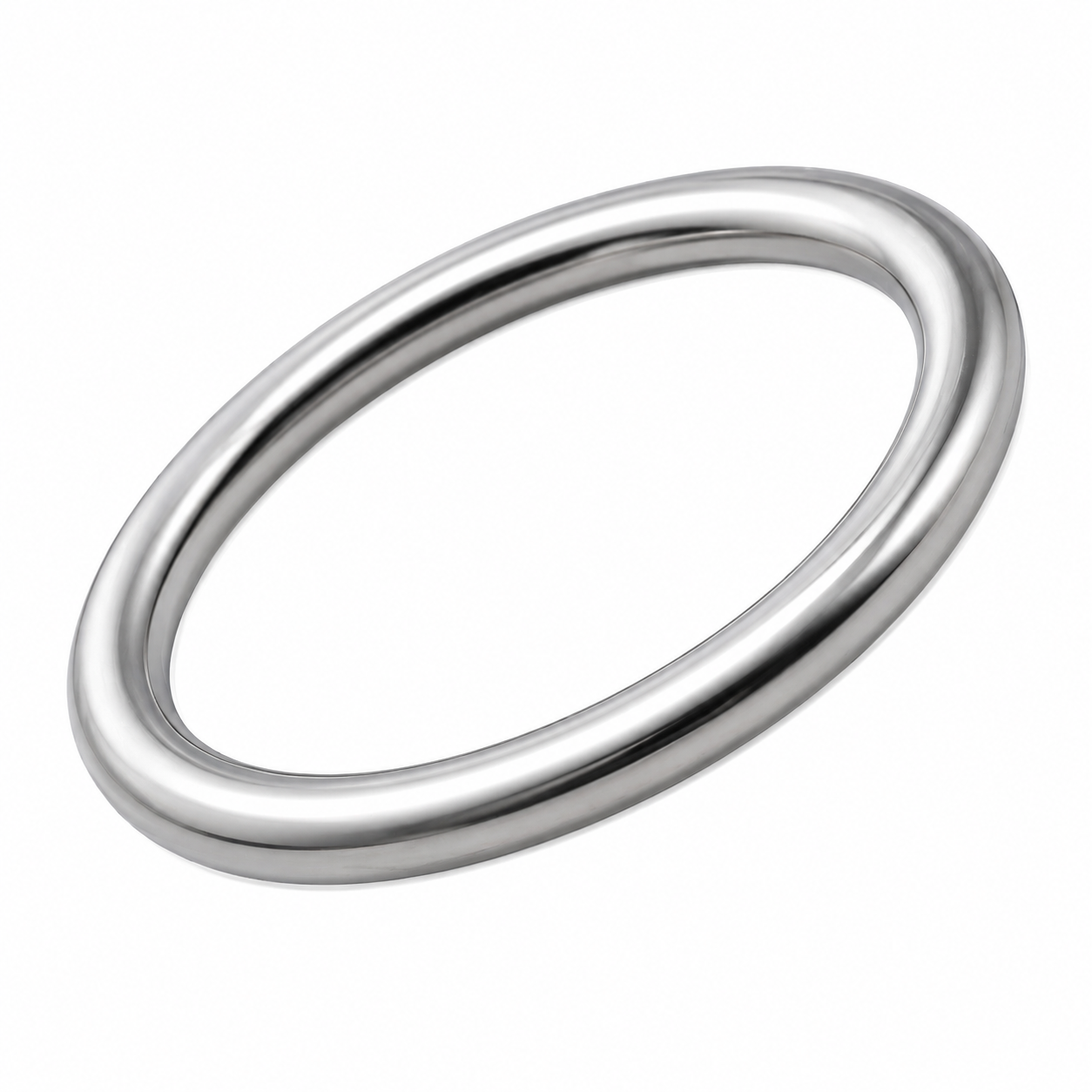
Silver-coloured metal O-ring seal shown at an angle on a white background

Metal O-rings for high-temperature, high-pressure, vacuum and demanding static sealing applications.
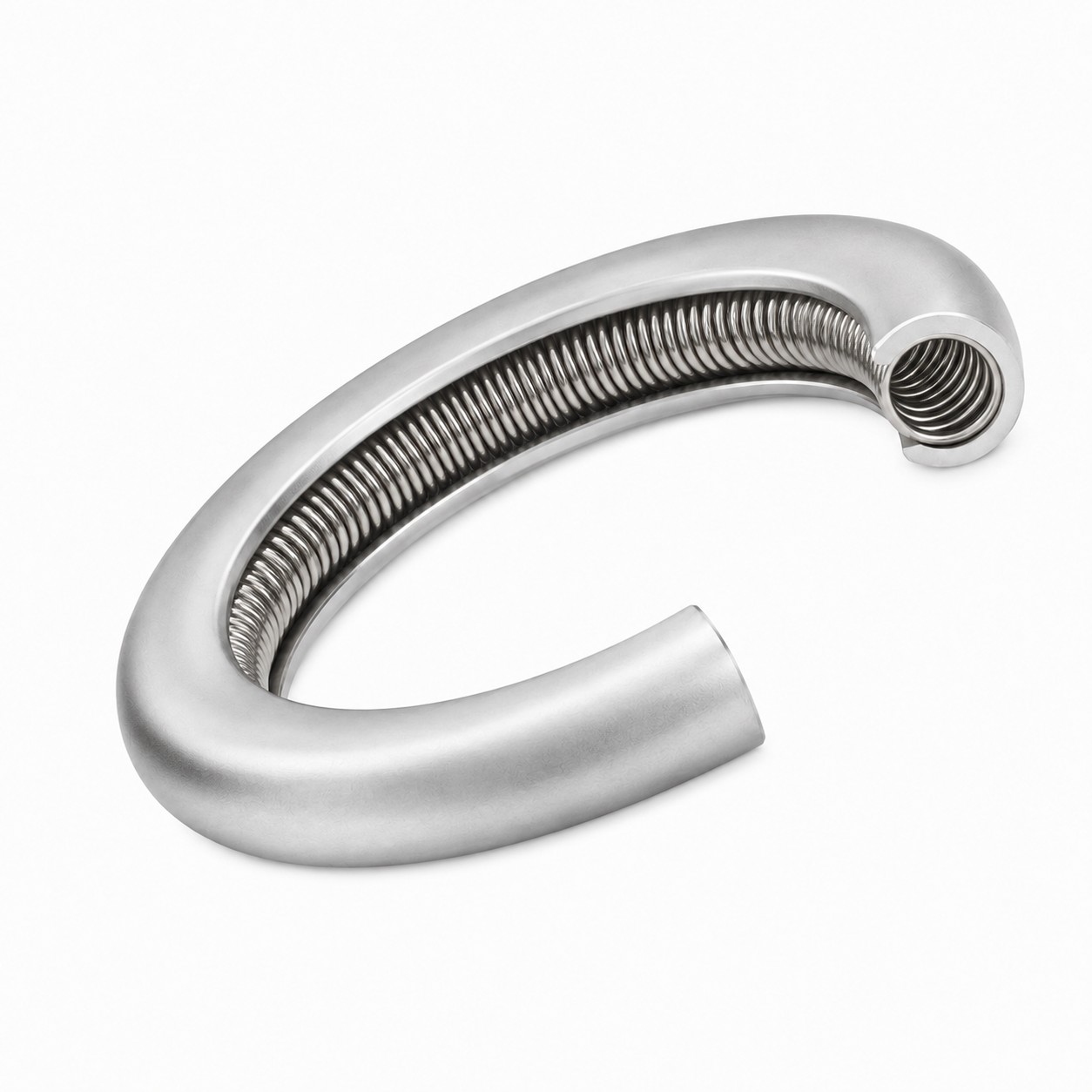
Spring-energised metallic seals designed to maintain sealing load across demanding temperature, pressure and installation conditions.
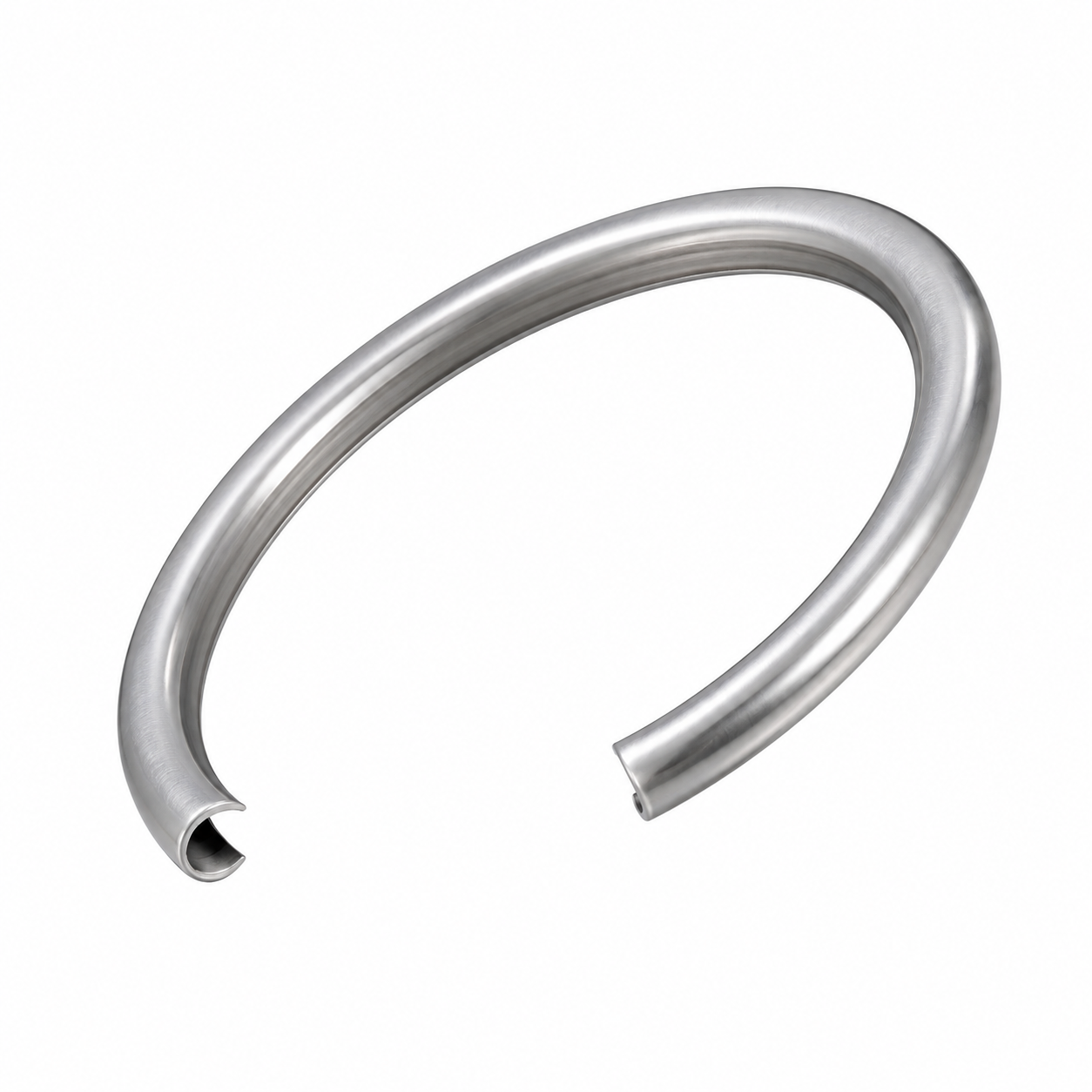
Metal C-rings designed to provide resilient sealing performance under high pressure, temperature cycling and demanding leakage requirements.
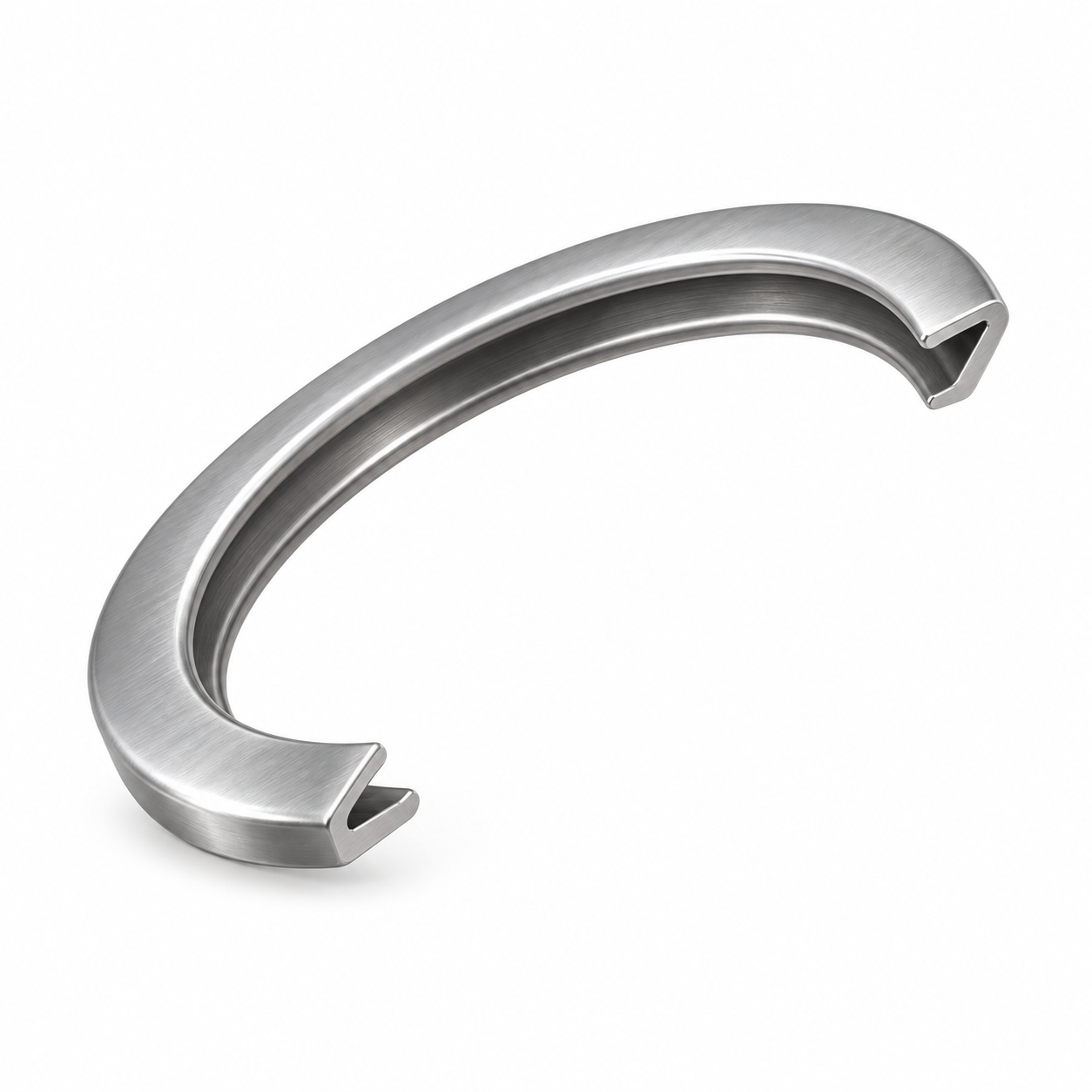
metal u ring

Metallic U-ring and V-ring seals for static sealing applications involving pressure, temperature and challenging operating environments.
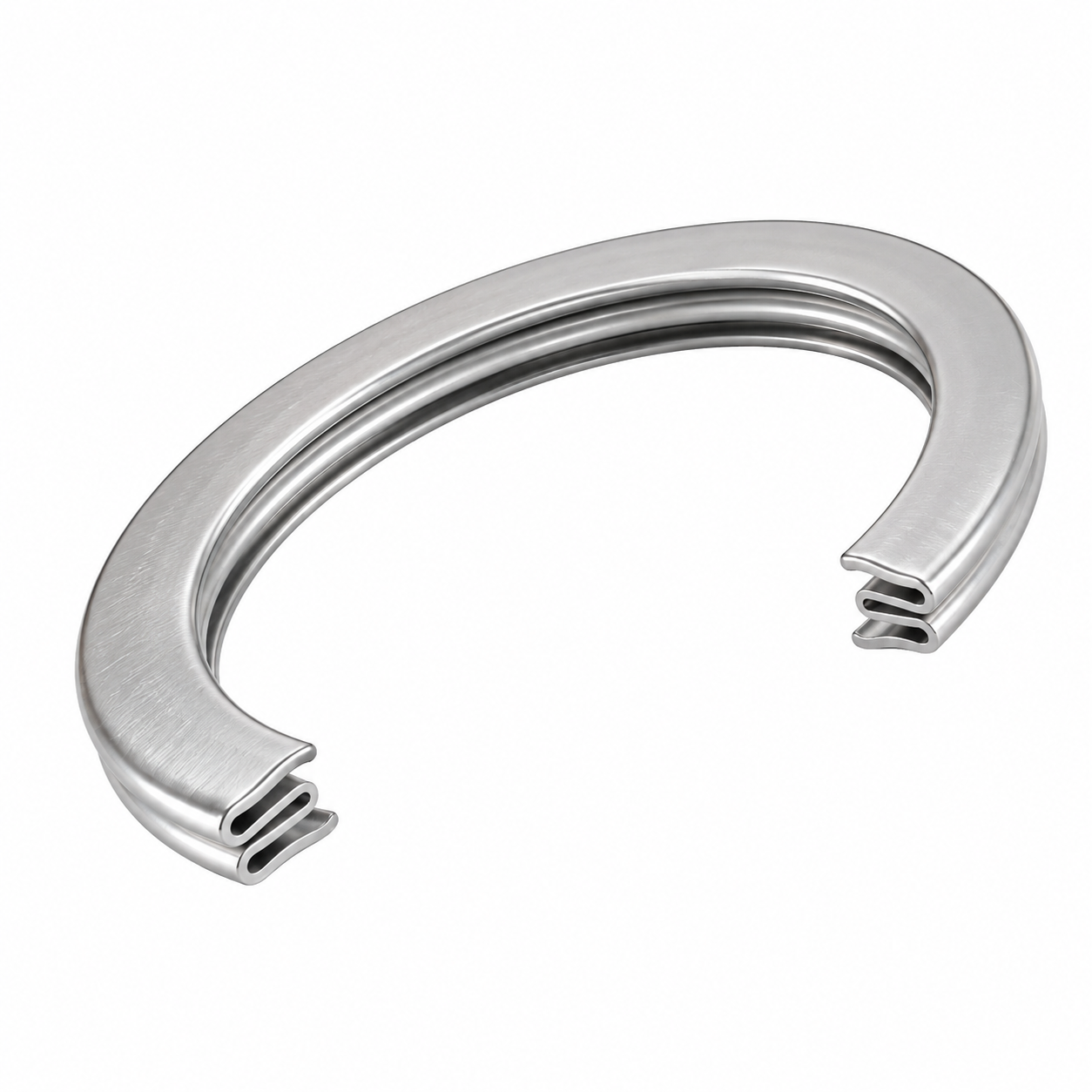
Metal E-rings for demanding applications requiring low leakage, controlled spring-back and performance under extreme operating conditions.

What Are Metal Seals?

Metal seals are sealing components formed from metal rather than elastomer or polymer, used where the operating conditions of a joint exceed what a conventional rubber or plastic seal can withstand. They are almost always static seals: the seal is compressed between two mating faces, deforms to follow the contours of those faces, and is held under load by the clamped joint.

Because a metal seal deforms rather than flexes, it seals by controlled deformation instead of elastic recovery alone. Compression during installation produces the contact load that closes the sealing interface, and the resilience designed into the profile (commonly described as springback) allows the seal to maintain contact as the joint moves under temperature and pressure.

The terms metal seal and metallic seal are used interchangeably. You may also see metal face seal, formed metal seal, metal sealing ring or metal gasket used for the same category of product, and individual profiles are referred to both as rings and as seals — a metal C-ring and a metal C-seal are the same component, as are a metal E-ring and a metal E-seal.

Metal seals should not be confused with security seals, strapping seals or metal-cased rotary shaft seals, which are unrelated products sharing similar names.

When Are Metal Seals Used Instead of Elastomer Seals?

Elastomeric seals are the default choice for most static and dynamic sealing duties, and for good reason: they are inexpensive, widely available and easy to install. Metal seals are specified when one or more conditions in the application fall outside what an elastomer can tolerate.

The conditions that most often lead an engineer to a metal seal are:

Metal seals also carry trade-offs. They require a higher seating load than an elastomeric seal, they demand closer control of groove dimensions and mating surface condition, and most designs are not intended to be reused once compressed. Where an elastomer will do the job reliably, it usually remains the better commercial choice.

If you are unsure whether your application has outgrown an elastomeric seal, send us the operating conditions and we will advise. Our Elastomer Temperature Range Guide and Chemical Compatibility guide cover the limits of the elastomer compounds we supply.

Types of Metal Seal

Metal seals are classified by the cross-sectional profile of the sealing element. Each profile behaves differently under compression, requires a different seating load and recovers differently as the joint moves, so the profile is chosen against the duty rather than the diameter.

The three characteristics engineers most often compare are leakage tightness (how completely the interface closes), seating load (the force the joint must apply to compress the seal) and springback (how much the seal recovers if the flanges separate in service). These generally trade against one another: profiles that achieve the tightest interface tend to need the highest load, while profiles offering the greatest springback tend to seal at lower load.

Profile How It Seals Relative Seating Load Relative Springback Typically Specified For
Metal O-Rings A hollow or solid ring compressed between flat or grooved faces; hollow sections may be vented or gas-filled so system pressure or temperature assists sealing Higher Lower High-pressure flanges, vacuum systems, high-temperature static joints
Metal C-Rings An open C-section that system pressure can enter, energising the seal against the mating faces as pressure rises Moderate to higher Moderate Pressure-energised joints, pressure and temperature cycling, vacuum
Metal E-Rings Multiple flexible sealing legs give spring action and recovery under compression Lower Higher Joints that move — thermal expansion, flange separation, turbine and duct casings
Metal U-Rings & V-Rings A formed U- or V-section that can be orientated to the direction of system pressure Lower to moderate Moderate to higher Application-specific static joints, restricted sealing space, formed-profile requirements
Spring-Energised Metal Seals A metallic spring element inside the seal maintains sealing load independently of system pressure Higher Lower Joints where sealing load must be maintained through large temperature or pressure swings

The comparison above is indicative and relative between profiles, not absolute. Actual load, recovery and leakage performance depend on the seal diameter, section size, wall thickness, alloy, heat treatment, surface coating and the design and condition of the sealing groove. Confirm performance for your specific application before finalising a design.

How Metal Seals Work

A metal seal closes a joint by deforming against the two mating surfaces until the contact stress at the interface is high enough to block the flow path between them.

Compression and seating load

When the joint is assembled, the clamping force compresses the seal to a designed height. That compression generates the contact stress along the sealing bands. The load required is a function of the profile, section size, wall thickness, alloy and any surface coating, and it must be available from the bolted joint. A flange that cannot deliver the seating load will not seal regardless of the seal specified.

Surface conformity and plating

No machined face is perfectly smooth. A softer plated layer on the outside of the seal flows into the microscopic tool marks and irregularities of the mating surface under load, closing leakage paths that the base alloy alone would bridge. This is why plating choice, plating thickness and the surface finish of the groove and flange are as important to sealing performance as the seal profile itself.

Springback and joint movement

Joints rarely stay still. Thermal expansion, pressure cycling and bolt relaxation all change the gap the seal has to bridge. Springback is the amount of elastic recovery the seal retains after compression, and it determines how much flange separation the seal can follow before contact is lost. Profiles with more flexible sections (E-rings in particular) offer greater springback and are specified where movement is expected.

Reuse

Most metal seals are plastically deformed during installation and are intended as single-use components. A seal that has been compressed has already given up part of its recovery, so it should normally be replaced whenever the joint is broken. If reuse is being considered, confirm suitability for the specific seal design and duty before relying on it.

Pressure-Energised and Spring-Energised Metal Seals

Some metal seal designs rely only on the compression applied at assembly. Others are designed so that an additional force increases the sealing load in service. Three mechanisms are commonly used.

Pressure-energised and self-energising designs

The seal is orientated so that system pressure acts inside the open section of the profile. As operating pressure rises, it pushes the sealing faces outwards against the mating surfaces and increases contact load. Metal C-rings are the most common example, and hollow metal O-rings can be vented so that pressure enters the tube to the same effect.

Because the pressure has to act on the correct side of the profile, pressure direction is part of the specification. Internal-pressure designs are orientated for pressure acting from inside the sealed cavity; external-pressure designs for pressure acting from outside, including vacuum service where the differential runs inwards. Fitting a seal in the wrong orientation can prevent it energising at all. See Metal C-Rings and Metal E-Rings for internal and external pressure configurations.

Pressure-filled designs

A hollow section is charged with gas at manufacture. As operating temperature rises, the internal gas pressure rises with it and increases the force the seal exerts, helping to compensate for relaxation in the joint. These designs are used where temperature cycling is significant. See Metal O-Rings.

Spring-energised designs

A separate metallic spring element inside the seal provides sealing load that does not depend on system pressure. This suits joints where pressure is low or variable but sealing force must remain consistent, and where the joint moves through repeated thermal cycles. See Spring-Energised Metal Seals.

Metal Seal Materials

Alloy grade alone does not define how a metal seal will behave. The condition the material is supplied in; work hardened, age hardened or annealed, changes its strength, its spring characteristics and therefore the seating load and recovery of the finished seal.

Two seals of identical profile, diameter and alloy can require different seating loads and offer different springback if they are supplied in different conditions. Where a drawing or existing specification calls for a particular material condition, include it with your enquiry so the correct seal is quoted. Where no condition is specified, tell us the operating temperature, pressure and expected joint movement and we will confirm what is appropriate for the profile.

Material Type Typical Properties Common Applications
304 / 316 Stainless Steel Austenitic stainless Good corrosion resistance, cost-effective General industrial, low-to-moderate temperature
Inconel X-750 Nickel-chromium superalloy High strength retention at elevated temperature, good spring properties Aerospace, spring-energised designs, high-temperature sealing
Alloy 718 Nickel-chromium superalloy High strength, good fatigue and creep resistance Aerospace, oil & gas, high-pressure applications
Monel Nickel-copper alloy Excellent corrosion resistance, strong in seawater and acidic environments Marine, chemical processing
Hastelloy Nickel alloy Exceptional resistance to highly corrosive and oxidising environments Chemical processing, extreme corrosive service

Metal Seal Platings and Coatings

Metal O-rings, C-rings, E-rings and other metallic sealing profiles can be supplied with a range of specialist platings and surface finishes, including silver, gold, copper, nickel, tin and PTFE coatings. Plating helps improve conformity between the seal and mating surfaces, reducing potential leakage paths and supporting sealing performance under demanding operating conditions. Selection depends on temperature, pressure, process media, available seating load and the required leakage performance.

Plating / Coating Why It Is Specified
Silver The most widely specified plating for demanding metal seals. Soft and ductile, conforming readily to mating surfaces. Commonly used in aerospace and high-temperature applications. Maximum temperature: 260°C in oxidising environments and 649°C in non-oxidising environments.
Gold Specified where chemical inertness and resistance to oxidation are priorities, including vacuum and ultra-clean applications. Suitable for specialist high-temperature service up to 927°C, subject to operating conditions.
Copper Soft and highly conformable, providing good surface conformity at moderate seating loads. A cost-effective option for applications where copper is compatible with the operating environment. Maximum temperature: 927°C.
Nickel Harder than silver or copper, offering resistance to corrosion, oxidation and wear. Selected for demanding high-temperature environments where durability is important. Maximum temperature: 1204°C.
Tin A soft, conformable plating suitable for cryogenic applications, vacuum service and installations with limited flange loading. Maximum temperature: 204°C. Recommended maximum seal load: 70 N/mm.
PTFE-Based Coatings Applied where low friction is required during installation or to reduce galling between the seal and flange. Offers chemical resistance and reduced installation friction. Maximum temperature: 232°C. Recommended maximum seal load: 70 N/mm.
Gold Under Silver A combined plating system designed for elevated-temperature oxidising environments. The gold underlayer supports adhesion and stability of the outer silver plating. Maximum temperature: 649°C.
Unplated An economical option where a specialist surface coating is not required and higher leakage rates are acceptable. Operating temperature and sealing performance depend on the base metal alloy, surface finish and installation conditions.

Plating thickness is also part of the specification. A thicker layer conforms more readily to a rougher surface but adds to the effective section of the seal, which affects the groove dimensions the seal is designed to sit in. Where a seal is supplied to a drawing, confirm whether the stated dimensions are before or after plating.

Suitability of any plating depends on the base alloy, the profile, the process media, the operating temperature and the condition of the mating surfaces. Send us the operating conditions with your enquiry and we will confirm which combinations can be supplied for the seal in question. For further detail, see our Metal Seal Materials & Coatings Guide.

Plating Selection and Technical Considerations

The maximum operating temperature is only one consideration when selecting a plating. Seating load, flange material, surface finish, operating media and seal construction must also be assessed.

Tin and PTFE coatings are generally unsuitable for high seating loads, while harder finishes such as nickel may require greater installation forces. Plating thickness and dimensional tolerances should also be considered when specifying a metal seal.

International Seal can review existing specifications, drawings and operating requirements to help identify suitable metallic sealing materials and surface finishes.

Applications & Operating Conditions

Metal seals are commonly specified where elastomeric or polymer seals cannot deliver the required performance, extreme temperatures, high pressures, vacuum service, aggressive media, thermal cycling and demanding leakage requirements.

Typical applications include aerospace systems, oil and gas equipment, power generation, chemical processing, vacuum technology, semiconductor equipment, valves, pressure vessels, cryogenic systems and scientific instrumentation. Because requirements vary significantly between industries, seal profile, material and surface treatment should always be considered together, not in isolation.

Metal Seals by Industry

Industry alone does not determine the correct seal. Two joints in the same plant can need different profiles, alloys and coatings. Seal selection should always be made against the specific operating conditions of the joint.

Metal Seals for Vacuum and High-Vacuum Systems

Vacuum service is one of the clearest cases for a metallic seal. Elastomers outgas, absorb and release moisture, and allow gas to permeate through the bulk of the material, all of which limit the vacuum level a joint can reach and hold. A metal seal with a conforming plated surface avoids those mechanisms.

Points to consider when specifying a metal seal for vacuum:

Metal O-rings, C-rings and E-rings are all used in vacuum and high-vacuum equipment. The appropriate profile, alloy and coating depend on the vacuum level required, the joint design and the flange standard in use, send us those details and we will advise on what can be supplied.

Standard and Custom Metal Seals

International Seal supports both standard and custom metallic sealing requirements. Metal O-rings, C-rings, E-rings, U-rings and V-rings can be supplied to customer dimensions, drawings or application requirements across a range of materials, constructions and surface finishes. We can also review an existing part number, technical drawing or sample where you require a replacement seal, alternative supply route or custom equivalent.

Most metal seal enquiries reach us in one of four forms, and all four are workable:

Non-circular and shaped metallic seals can also be produced where the joint requires them. Custom seals can be manufactured to customer dimensions across a range of profiles, alloys, wall thicknesses and surface finishes.

How to Specify a Metal Seal

Metal seals are specified against the joint, not against a size chart. The more of the following you can supply with an enquiry, the faster we can confirm what is suitable and quote accurately.

Seal and Joint Dimensions

Operating Conditions

Materials and Finish

Commercial and Documentation

If you do not have all of this, send what you have. In many cases a drawing, a part number or a photograph with two or three dimensions is enough for us to make a start, and we will tell you what else is needed.

Metal Seal FAQs

What is a metal seal?

A metal seal is a sealing component formed from metal rather than elastomer or polymer, used in static joints where temperature, pressure, vacuum, media or leakage requirements exceed what a conventional rubber or plastic seal can withstand. It seals by being compressed between two mating faces.

What is the difference between a metal seal and a metallic seal?

There is no difference — the terms are used interchangeably. You may also see metal face seal, formed metal seal, metal sealing ring or metal gasket used for the same category of product.

What types of metal seals does International Seal supply?

International Seal supplies metal O-rings, metal C-rings, metal E-rings, metal U-rings, metal V-rings and spring-energised metal seals, in a range of alloys, dimensions, configurations and surface coatings, including seals manufactured to customer drawings.

When should a metal seal be used instead of a rubber seal?

Metal seals are specified where an elastomeric seal cannot meet the duty — typically because of temperature at either extreme, high pressure, vacuum service, aggressive media, radiation, thermal cycling, very low permissible leakage, or a requirement for long service life without replacement. Where an elastomer will do the job reliably it usually remains the more economical choice.

What are metal seals made from?

Commonly austenitic stainless steels including 304 and 316, and nickel-based alloys including Inconel X-750, Alloy 718, Monel and Hastelloy. Material is selected against operating temperature, pressure, process media, corrosion resistance and the mechanical requirements of the joint. The condition the material is supplied in — work hardened, age hardened or annealed — also affects performance.

Why are metal seals plated?

Plating provides a layer softer than the base alloy that flows into the machining marks and irregularities of the mating surface under seating load, closing leakage paths the base metal would otherwise bridge. It can also reduce the load required to seat the seal and protect against corrosion or galling.

What is a silver-plated metal seal?

A metal seal with a silver plating applied to its sealing surfaces. Silver is soft and ductile, conforms readily to the mating face and retains useful properties at elevated temperature, which is why it is one of the most widely specified platings for demanding metal seal applications.

What is the difference between a metal O-ring, C-ring and E-ring?

The cross-section, and therefore the behaviour. A metal O-ring is a hollow or solid ring that generally needs a higher seating load and offers less recovery. A C-ring has an open C-section that system pressure can enter, energising the seal as pressure rises. An E-ring has multiple flexible legs giving greater springback, which suits joints that move in service. See our Types of Metal Seal comparison above.

Can metal seals be used in vacuum applications?

Yes. Metal seals are widely used in vacuum and high-vacuum equipment because they avoid the outgassing and gas permeation associated with elastomers. In vacuum the pressure differential acts inwards, so a pressure-energised profile must be orientated as an external-pressure design. Mating surface finish and plating choice become more important as the required leak performance tightens.

Can you supply metal seals from an existing drawing or part number?

Yes. Existing drawings, dimensions, samples and manufacturer part numbers can be reviewed to identify a suitable replacement, alternative supply option or custom metal seal requirement.

Need a Metal Seal Quote?

Whether you have a drawing, an existing part number, a sample or only the operating conditions of the joint, International Seal can help identify and supply the right metallic seal. Send us the seal or groove dimensions, operating temperature and pressure, direction of pressure, process media and quantity where known. Drawings, manufacturer part numbers, photographs and physical samples can all be reviewed. If a specification is incomplete, tell us what the seal has to do and we will advise on the profile, alloy and surface treatment that suit the application.