
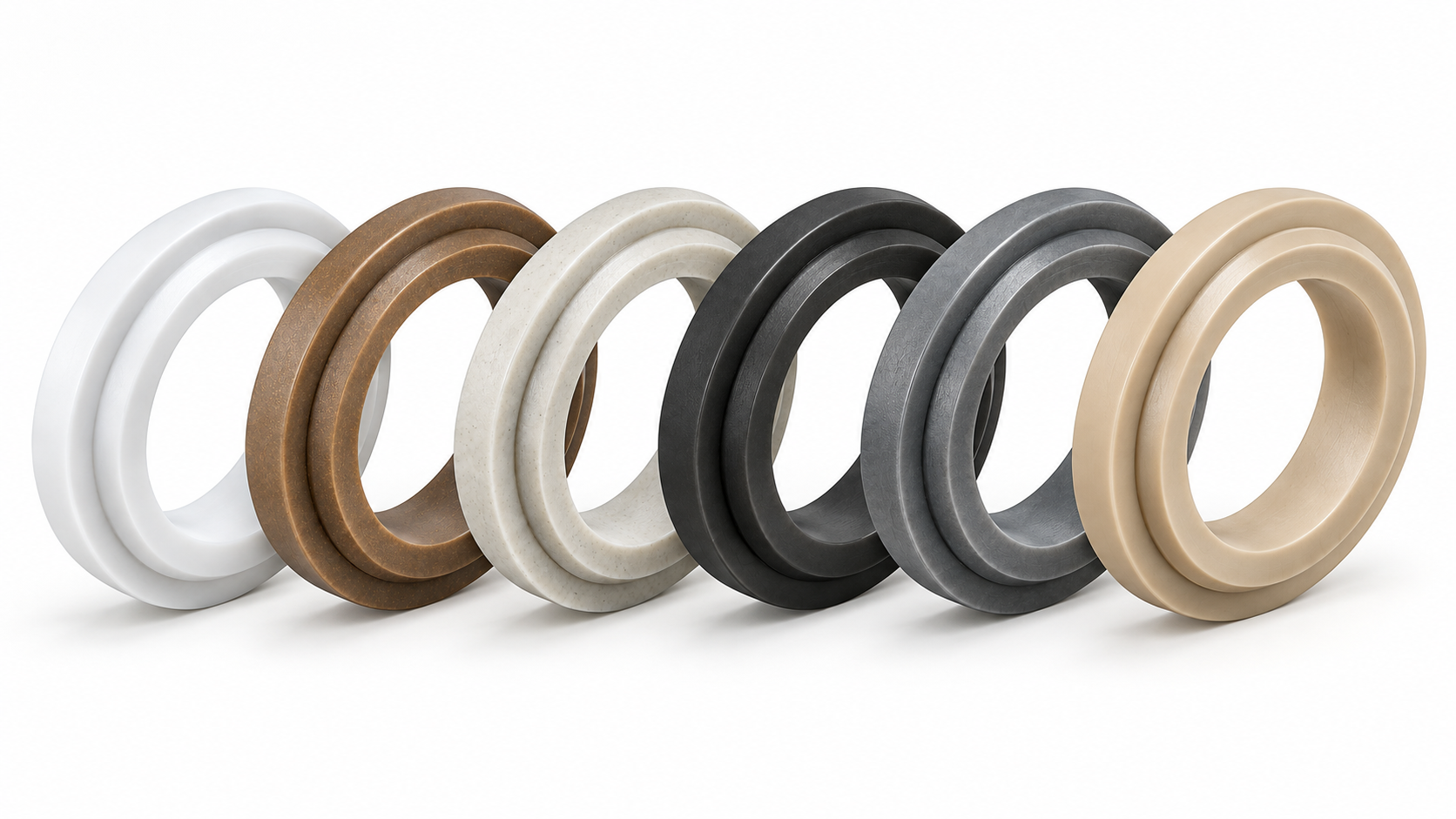
PTFE and Engineering Plastic Materials
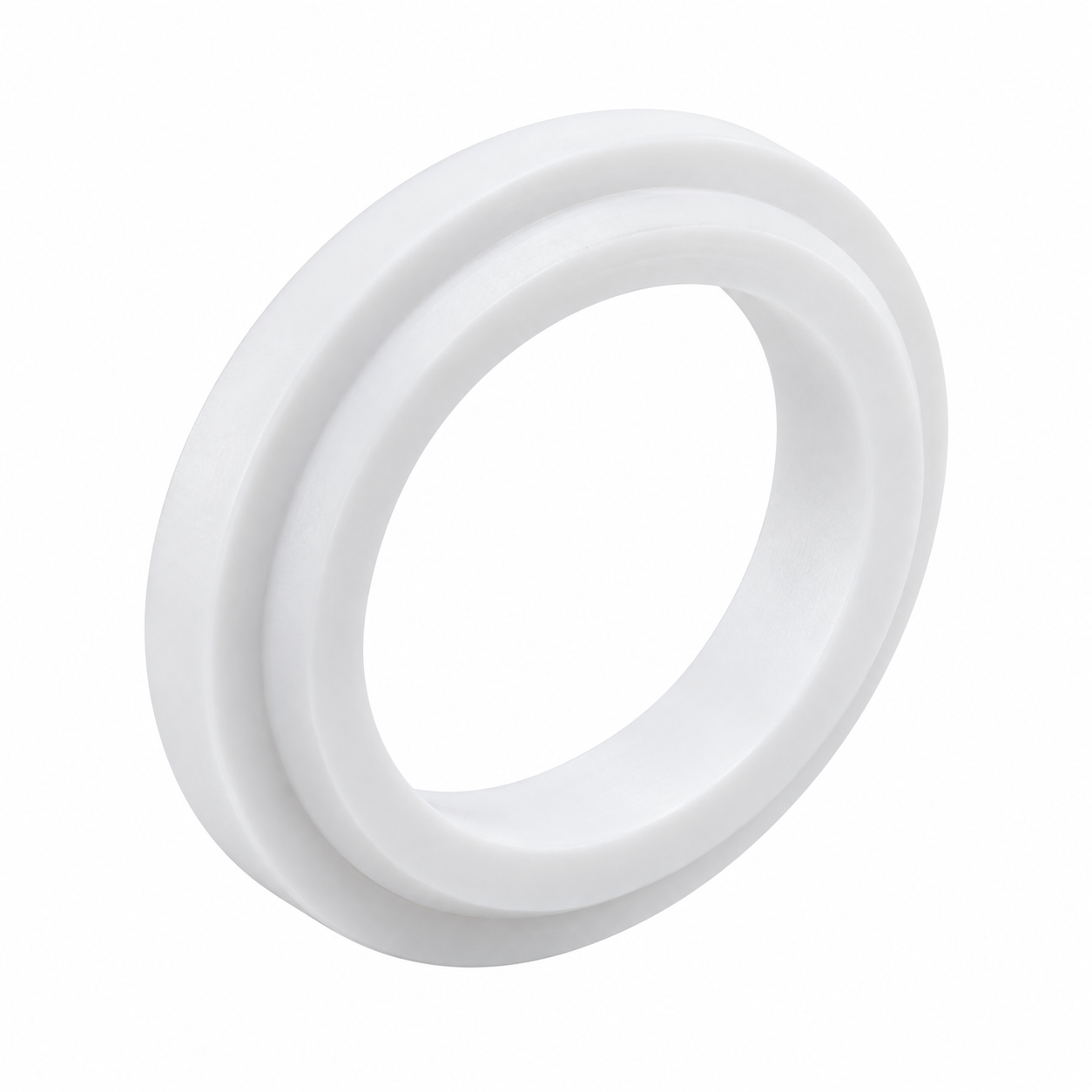
Virgin PTFE (polytetrafluoroethylene) offers exceptional chemical resistance, an extremely low coefficient of friction and excellent electrical insulation properties.
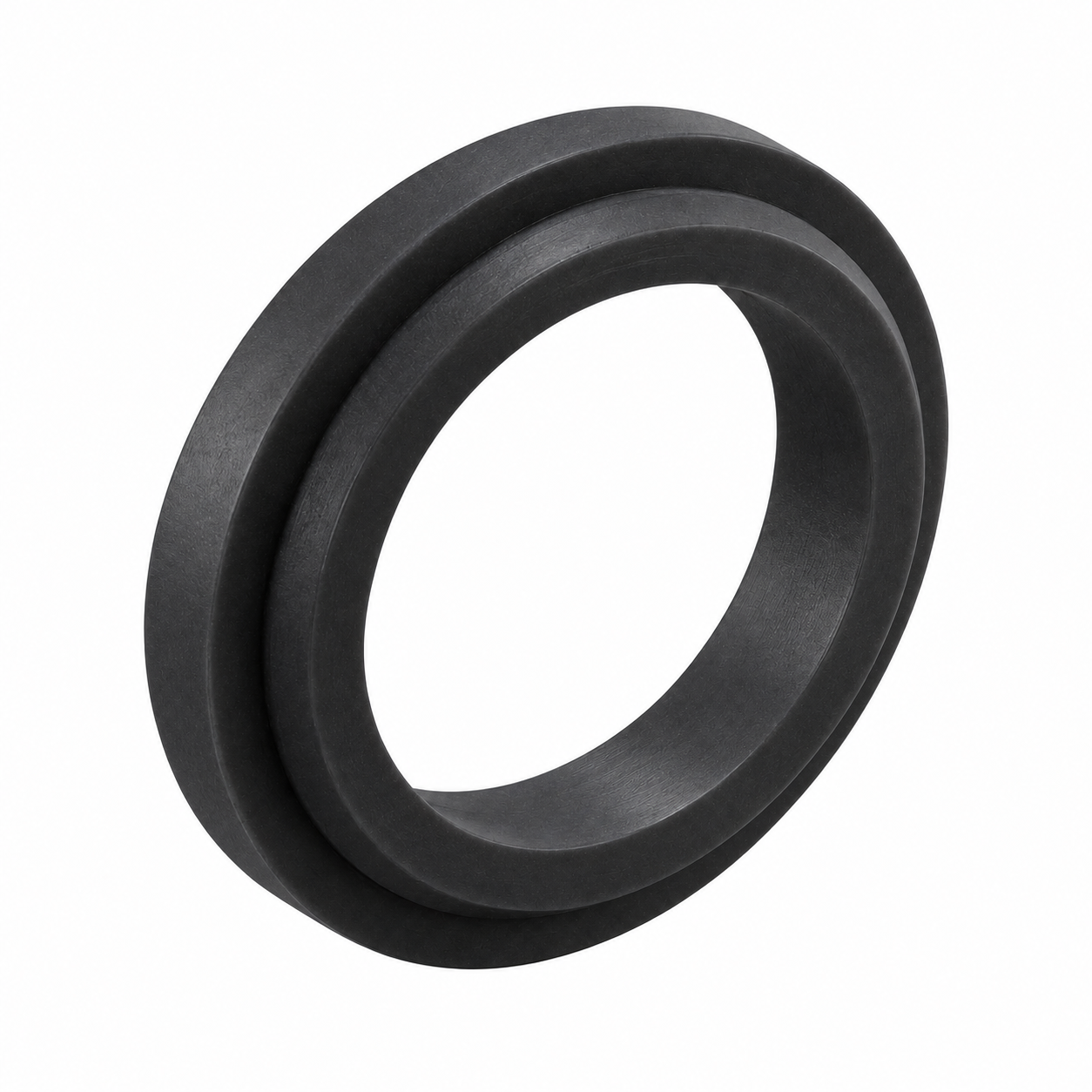
Carbon-filled PTFE provides improved wear performance, compressive behaviour and thermal properties in suitable formulations for demanding applications.
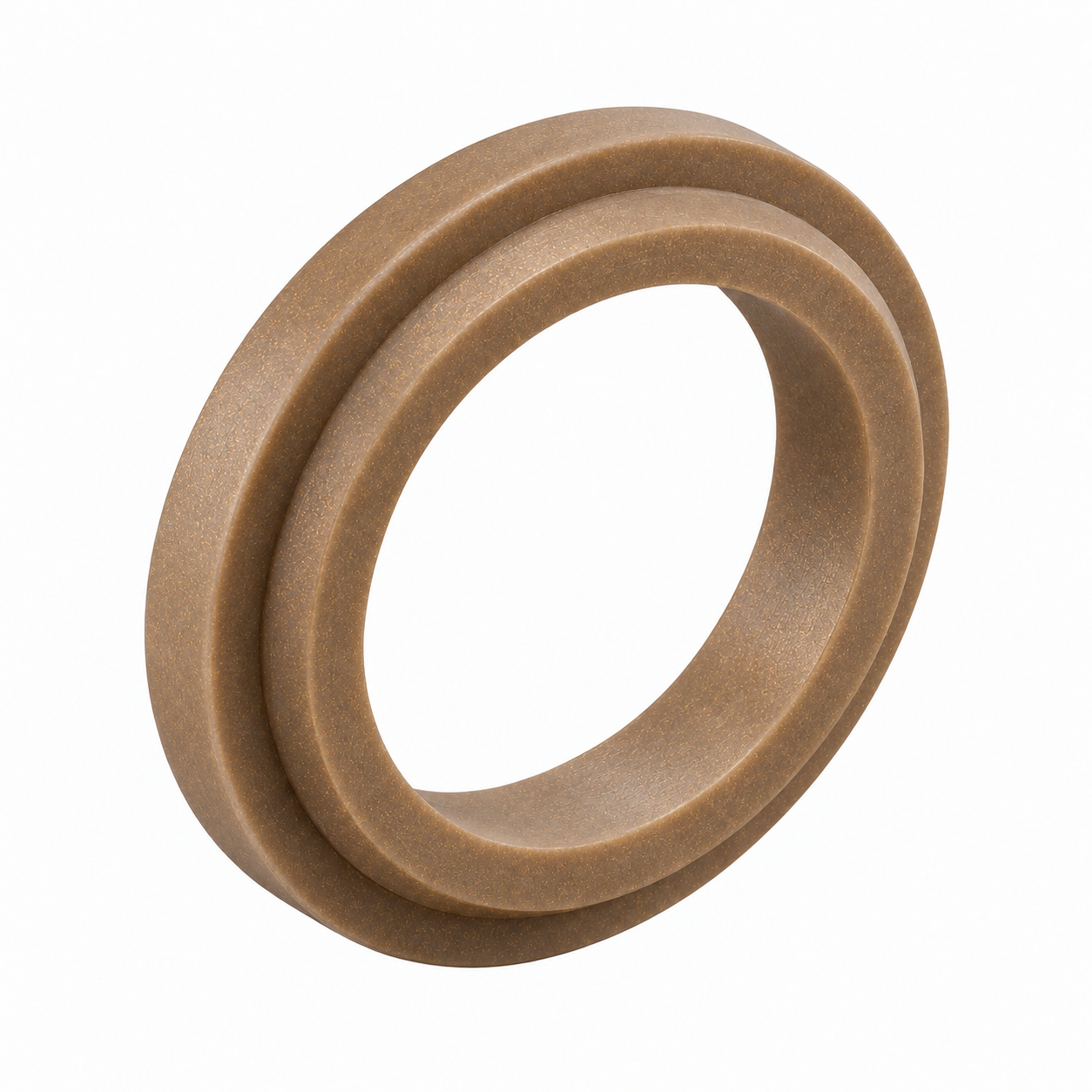
Bronze-filled PTFE combines the low-friction characteristics of PTFE with improved compressive strength, wear resistance and thermal conductivity.
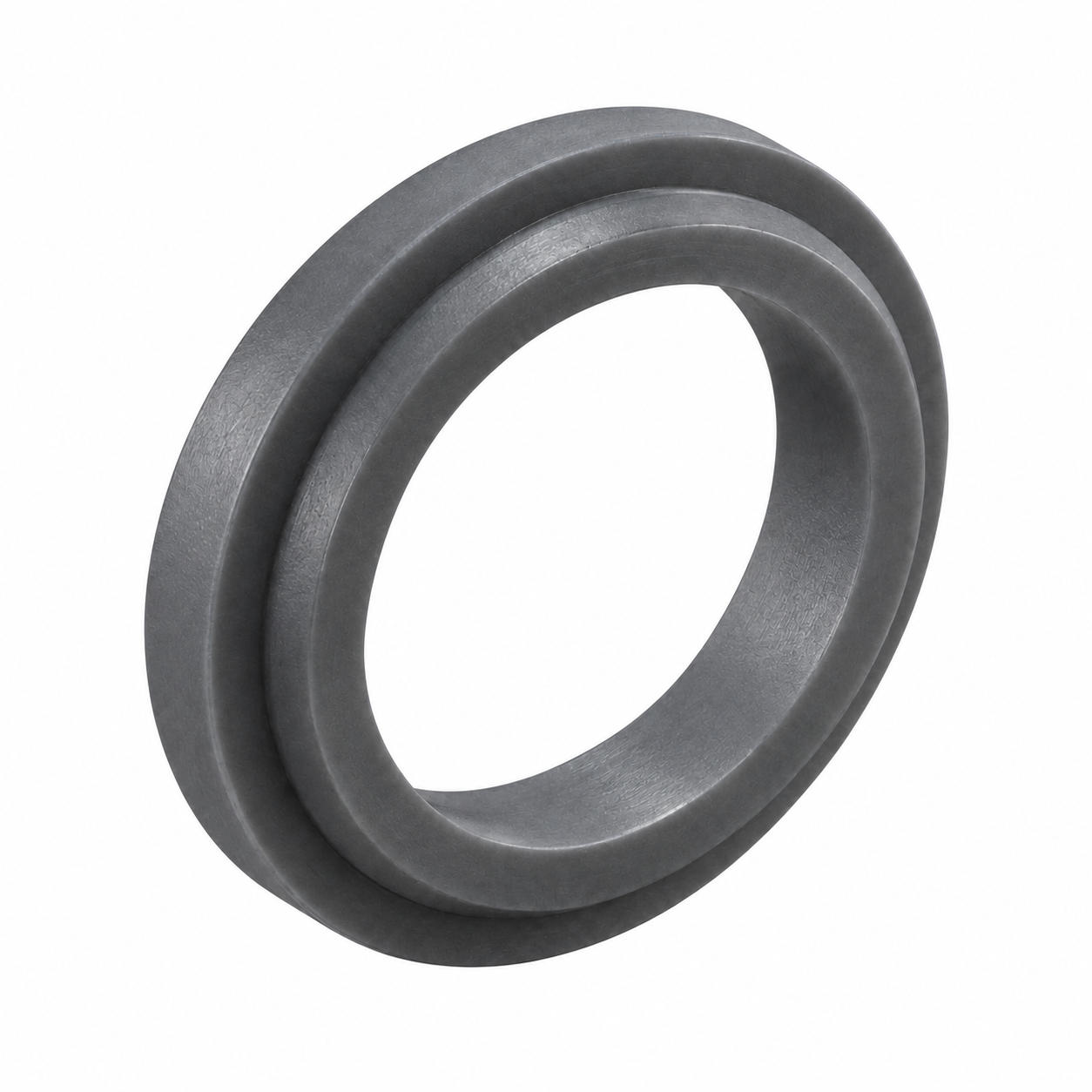
Graphite-filled PTFE offers low-friction characteristics with improved wear behaviour and heat dissipation compared with virgin PTFE in suitable applications.
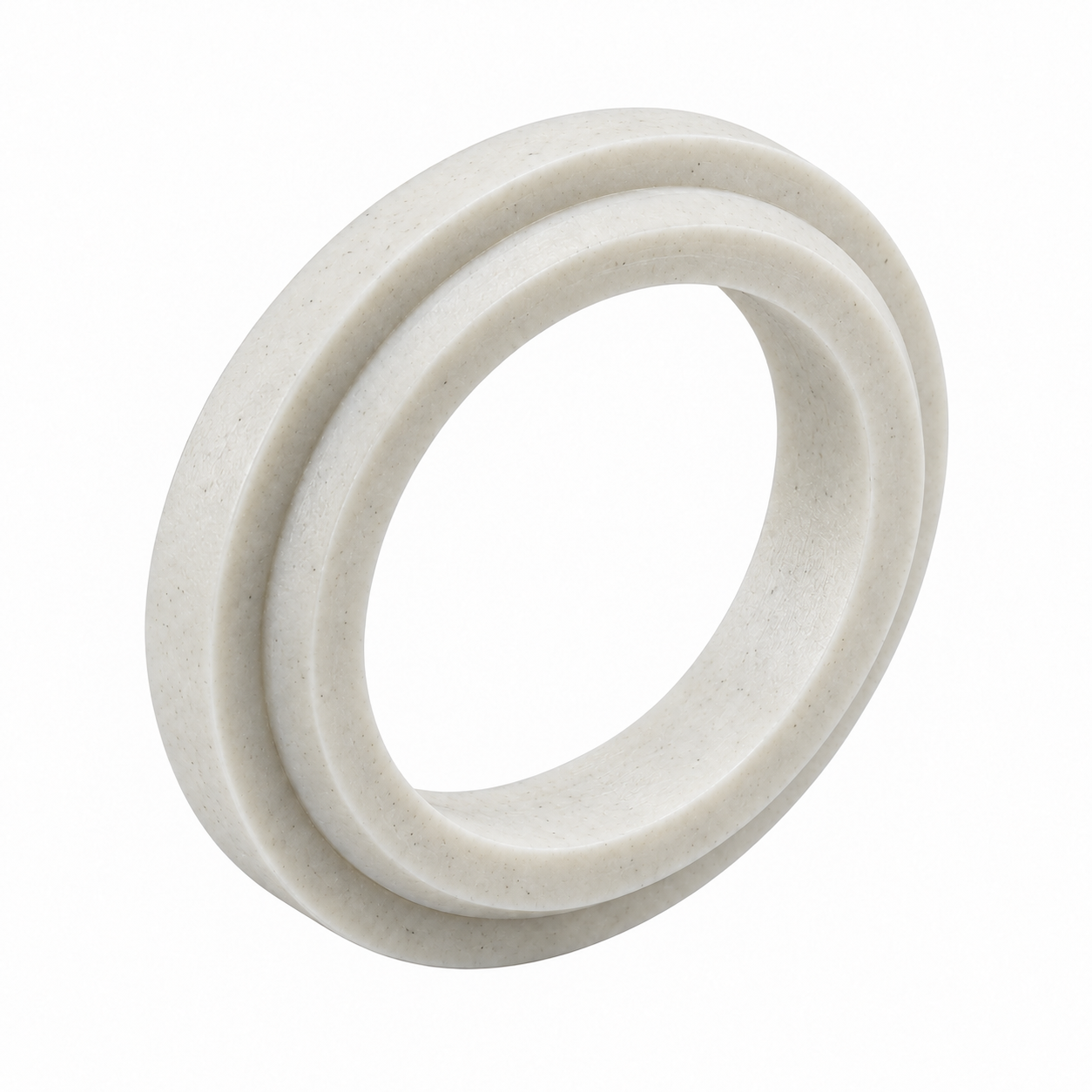
Glass-filled PTFE incorporates glass fibres to improve resistance to wear, creep and deformation under load compared with unfilled material.
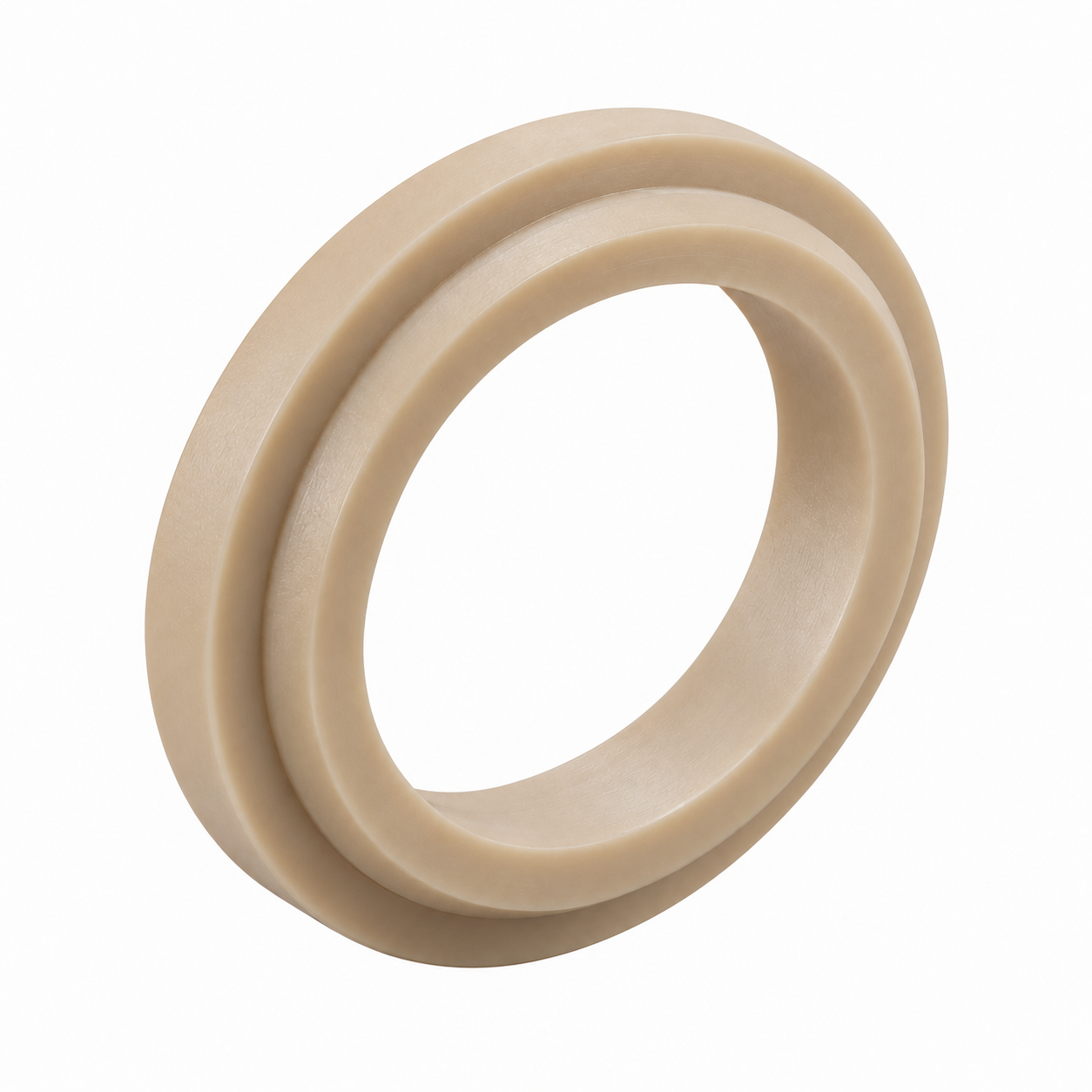
PEEK (polyether ether ketone) is a high-performance engineering thermoplastic offering excellent mechanical strength, dimensional stability and resistance to elevated temperatures.
What Is PTFE?
Virgin PTFE vs Filled PTFE
Selecting PTFE and Engineering Plastics
Precision-Machined PTFE Components
PEEK vs PTFE: Choosing the Right Polymer
Specialist PTFE and PEEK Grades
PTFE Component Design & Specifications
Industrial Applications for PTFE and Engineering Plastics
PTFE and engineering plastic components are used throughout industrial and specialist sectors where conventional materials may not provide the required performance.
Aerospace & Defence
High-performance PTFE and PEEK components for applications requiring mechanical stability, temperature resistance, low friction and specialist material characteristics.
Automotive
Filled PTFE and PEEK components for bearings, guides, bushes and equipment exposed to mechanical loading, temperature variation and automotive fluids.
Chemical Processing
Virgin and filled PTFE materials for equipment involving aggressive chemicals, fluid handling and chemically demanding industrial environments.
Oil & Gas
Filled PTFE and specialist engineering polymers for mechanical components exposed to pressure, temperature, hydrocarbons and challenging service conditions.
Medical & Pharmaceutical
Appropriate grades of PTFE and PEEK for engineered components where chemical resistance, cleanliness, traceability or defined compliance requirements are important.
Semiconductor Equipment
Specialist polymer components for processing equipment where chemical compatibility, dimensional control and contamination requirements are critical.
General Engineering
PTFE and PEEK bushes, spacers, bearings, guides and precision-machined components for machinery, automation and industrial equipment.
Why Choose International Seal?
International Seal supplies engineered polymer and sealing components to distributors, OEMs and industrial customers throughout the UK and Europe. Our international sourcing network allows us to support standard material requirements alongside specialist polymer grades and custom-manufactured components.
Extensive Material Range
Virgin PTFE, filled PTFE compounds and high-performance engineering polymers, including PEEK.
Custom Component Sourcing
Support for precision-machined components manufactured to customer drawings, samples and technical specifications.
Specialist Material Grades
Access to alternative polymer compounds and filled materials where particular mechanical or chemical characteristics are required.
Competitive Supply
Established international supplier relationships supporting competitive quotations for engineered polymer components.
Technical Support
Assistance with identifying suitable PTFE materials based on equipment design, operating conditions and process media.
Alternative Supply Options
Existing product references, samples and PTFE specifications can be reviewed where an alternative supplier or replacement material is required.
PTFE & Engineering Plastics FAQs
What is the difference between virgin PTFE and filled PTFE?
Virgin PTFE consists of unfilled PTFE polymer, offering excellent chemical resistance, very low friction and good electrical insulation. Filled PTFE incorporates materials such as bronze, glass, carbon or graphite to modify properties including wear resistance, compressive behaviour and dimensional stability.
What is bronze-filled PTFE used for?
Bronze-filled PTFE is commonly used in bushes, bearings, wear rings and other mechanical components where improved load-bearing behaviour, heat transfer and wear resistance are required.
Is glass-filled PTFE stronger than virgin PTFE?
Glass-filled PTFE generally offers improved resistance to creep, deformation and wear under certain operating conditions. Its performance depends on the filler percentage, compound formulation and mechanical requirements of the application.
What is carbon-filled PTFE used for?
Carbon-filled PTFE is used in components such as bearings, bushes and wear surfaces where improved wear performance, dimensional stability and mechanical properties are important.
What is the difference between PTFE and PEEK?
PTFE is particularly valued for its low friction and chemical resistance. PEEK generally offers greater mechanical strength, rigidity and resistance to deformation, making it suitable for highly loaded and dimensionally demanding components.
Can PTFE components be machined to drawing?
Yes. PTFE can be manufactured into custom-machined bushes, sleeves, spacers, valve parts, guides and other engineered components. Achievable tolerances depend on the material, geometry and manufacturing process.
Can filled PTFE be used in chemical applications?
Yes, but chemical compatibility depends on both the PTFE polymer and the filler material. Certain fillers may not be appropriate for particular chemicals or process environments.
Are PTFE and PEEK suitable for high-temperature applications?
Both materials offer elevated-temperature capability, although their mechanical behaviour and practical service limits differ. The appropriate material should be selected according to temperature, load, media and required component life.
Can you supply specialist filled PTFE grades?
International Seal can review requirements for specialist PTFE compounds including bronze, glass, carbon and graphite-filled materials, subject to grade and manufacturing availability.
What information is needed for a quotation?
Provide the material grade, filler specification where applicable, component drawing or dimensions, tolerances, operating conditions and required quantity. Existing samples and part references can also be reviewed.
Need PTFE or Engineering Plastic Components?
International Seal supplies PTFE, filled PTFE and PEEK components for industrial, mechanical and specialist engineering applications. Our sourcing network supports virgin and modified polymer grades alongside custom-manufactured bushes, bearings, guides, sleeves, valve parts and precision-machined components.
Whether you require an existing specification, an alternative material grade or a custom component manufactured to drawing, we can review your requirements and provide a competitive quotation.Send us your material specification, component drawing, operating conditions and required quantity.