Custom Moulded Rubber Parts and Bespoke Components
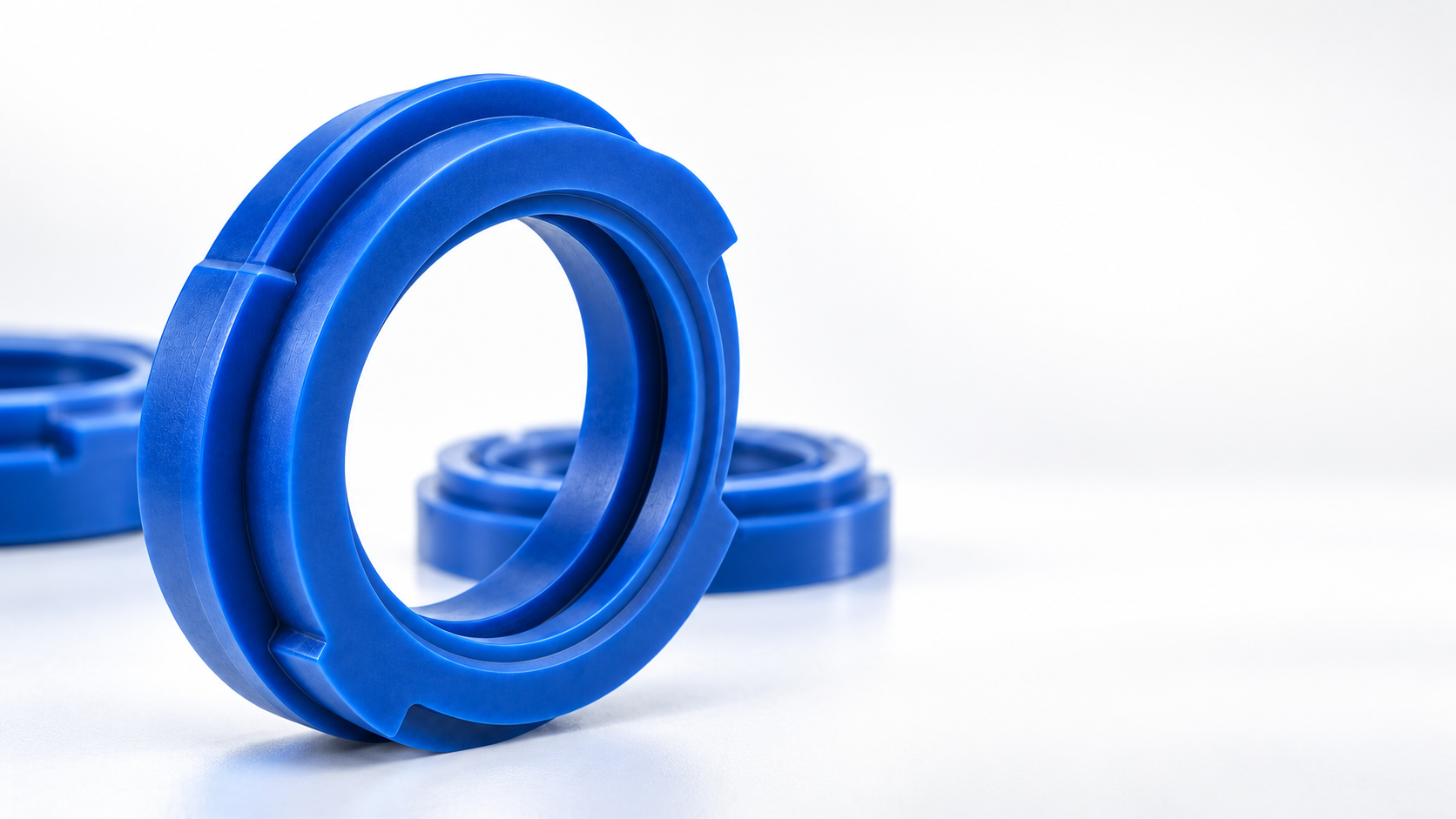
International Seal supplies custom moulded rubber parts and bespoke elastomer components for industrial sealing, mechanical assemblies and specialist engineering applications. Our range includes custom rubber seals, moulded gaskets, diaphragms, bellows, boots, rubber-to-metal bonded components, precision mouldings and rubber extrusions. We also support prototype development, low-volume production and specialist metal detectable rubber components. Components can be supplied in NBR, EPDM, FKM, Silicone, HNBR, FFKM and other specialist elastomer compounds, depending on the application.

As a UK supplier of engineered sealing products, we work with distributors, OEMs and industrial customers to source rubber components manufactured to drawings, samples and customer-defined specifications. Through our established international supply network, we can support prototype development, replacement components and repeat production requirements, with material selection and manufacturing processes reviewed according to the design and operating conditions.

Whether you require a new rubber component or an alternative supply route for an existing part, our team can review your requirements and provide a competitive quotation.

Blue custom moulded rubber seal with a stepped profile

Custom Moulded Rubber Component Range
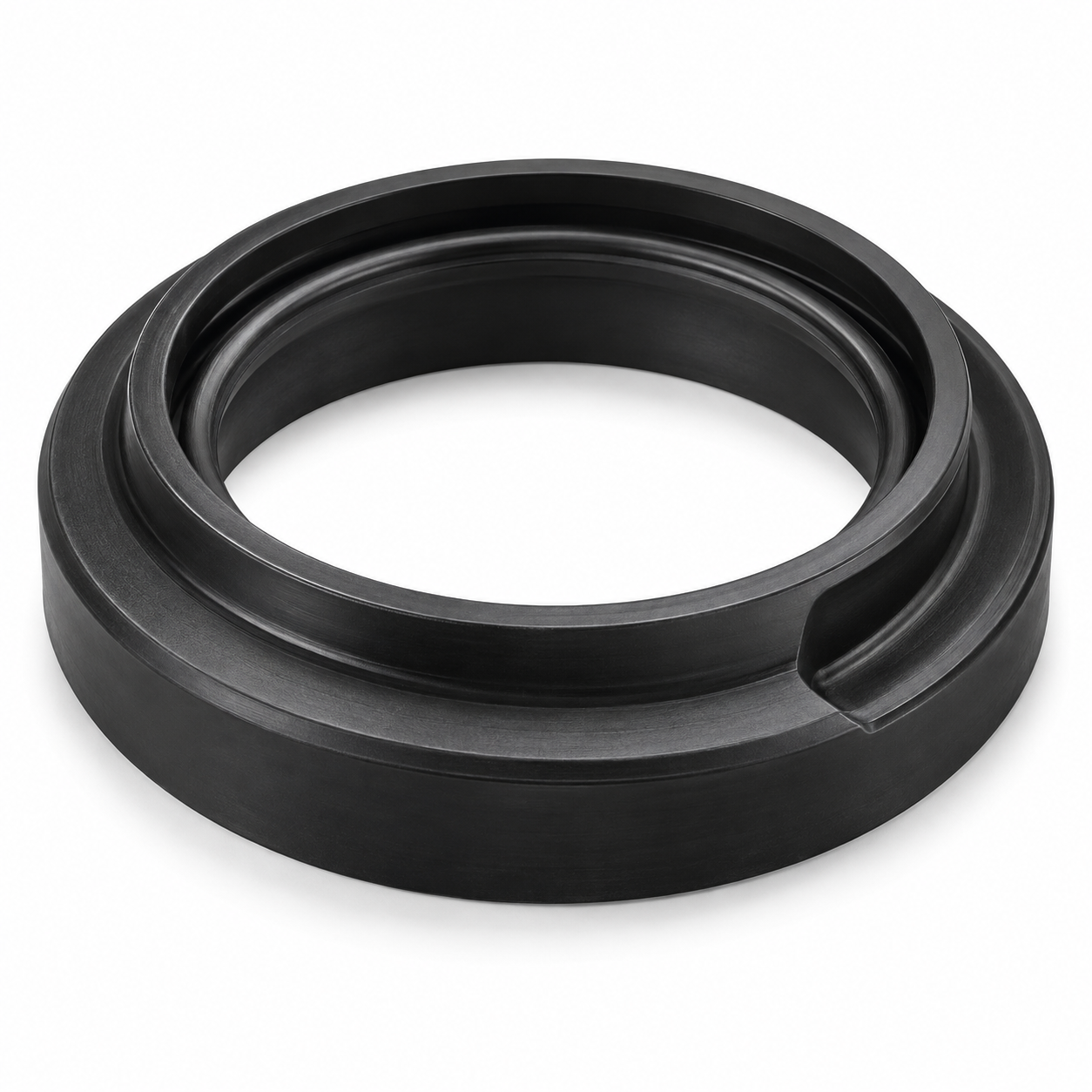
International Seal supplies a comprehensive range of custom rubber mouldings and engineered elastomer components for industrial, mechanical and specialist sealing applications. Unlike standard catalogue products, custom rubber components can be manufactured with specific geometries, wall thicknesses, profiles and material properties to meet individual equipment requirements.

Our range covers moulded seals, gaskets, flexible components, bonded assemblies, prototype parts and extruded rubber profiles.

Black moulded rubber seal with raised sealing lips

Custom Rubber Seals

Custom rubber seals are manufactured to specific dimensions and profiles where standard O-rings, gaskets or sealing products cannot meet the application requirements.
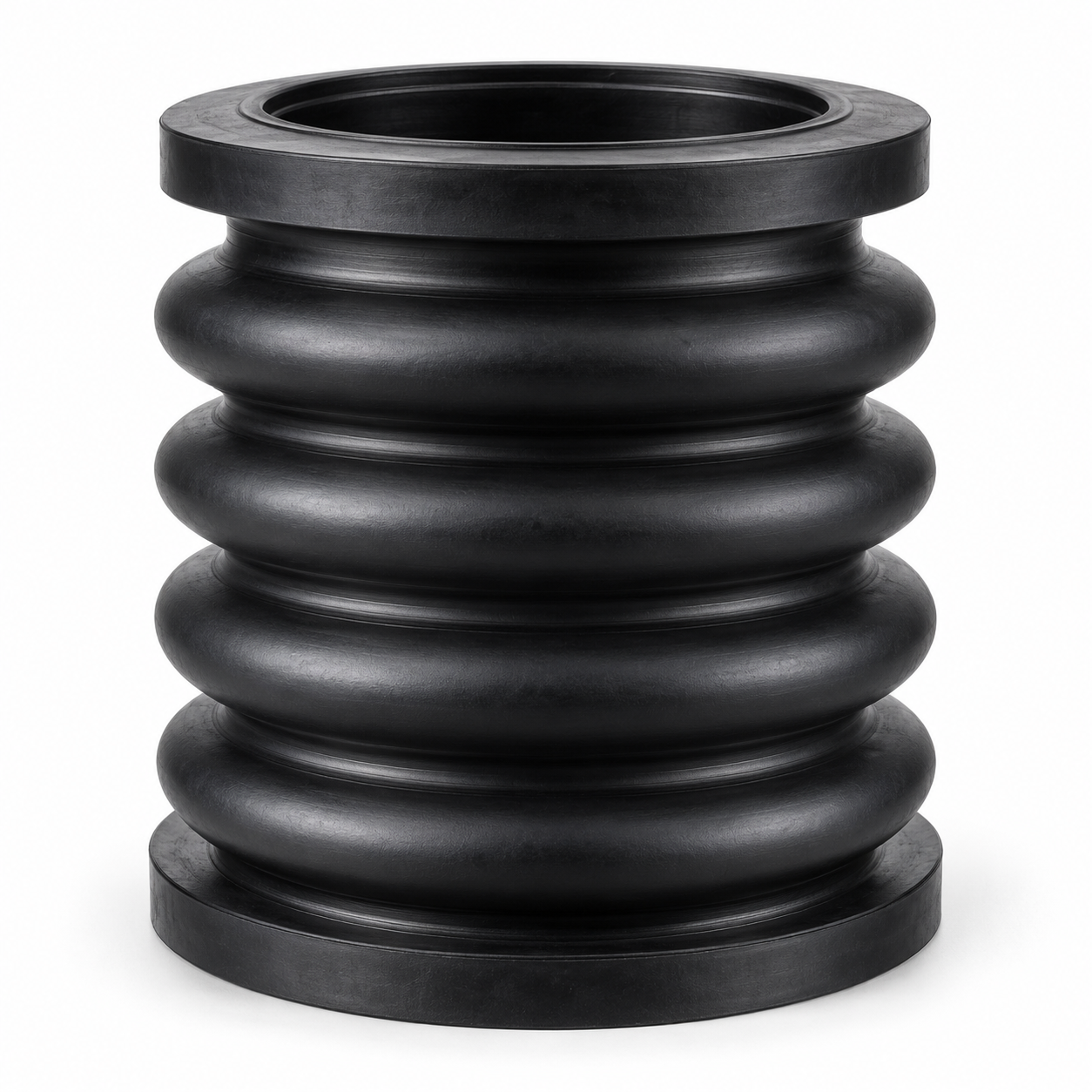
Black rubber bellows with a concertina profile

Rubber Bellows & Boots

Rubber bellows and protective boots are flexible moulded components designed to accommodate movement while protecting equipment from dust, moisture, contamination and environmental exposure.
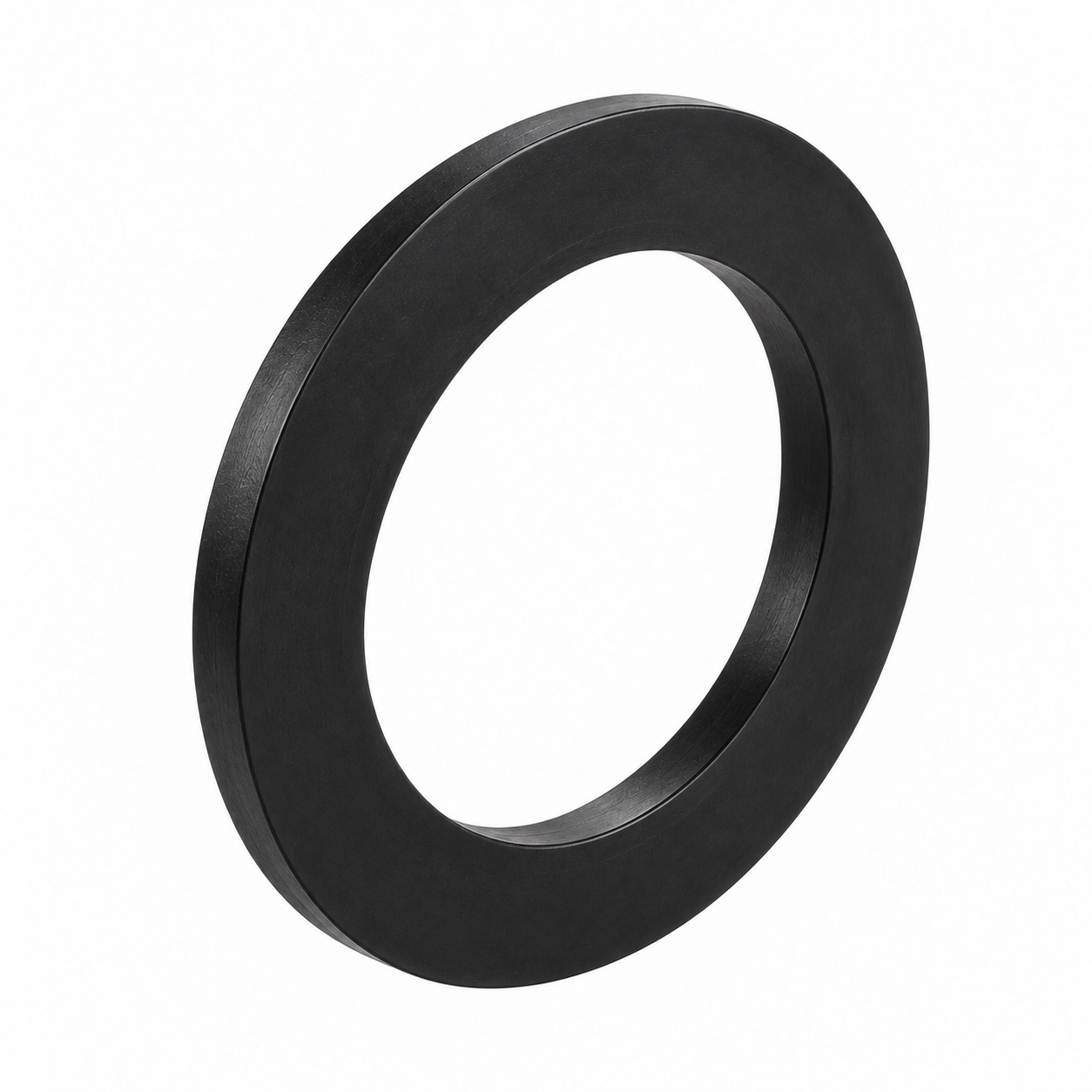
low volume washer

Prototype & Low-Volume Moulding

Prototype and low-volume rubber moulding supports product development, testing and specialist requirements where full-scale production quantities are not initially required.
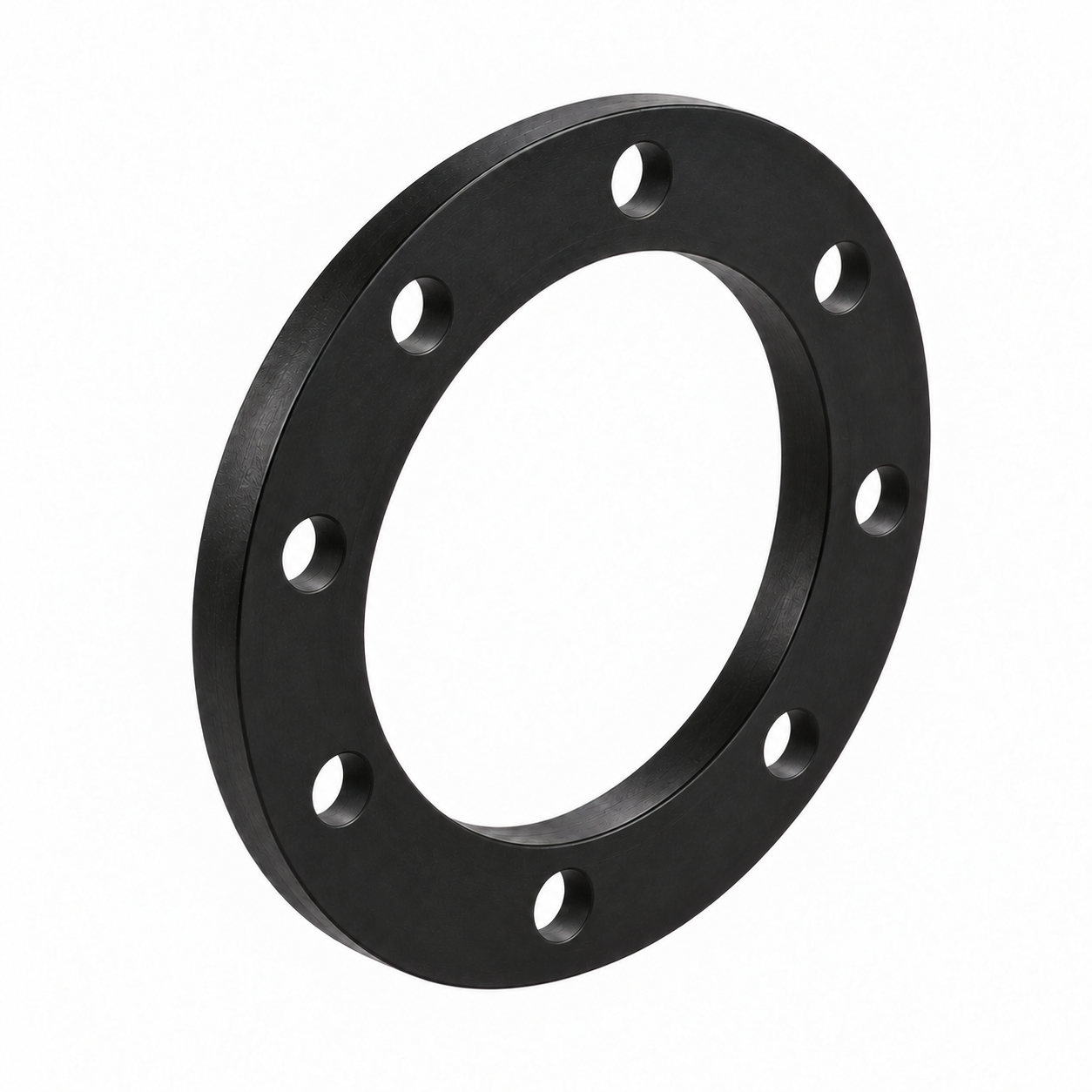
Black circular rubber flange gasket with eight bolt holes

Moulded Rubber Gaskets

Moulded rubber gaskets provide application-specific sealing geometries for equipment housings, covers, flanges and industrial assemblies.
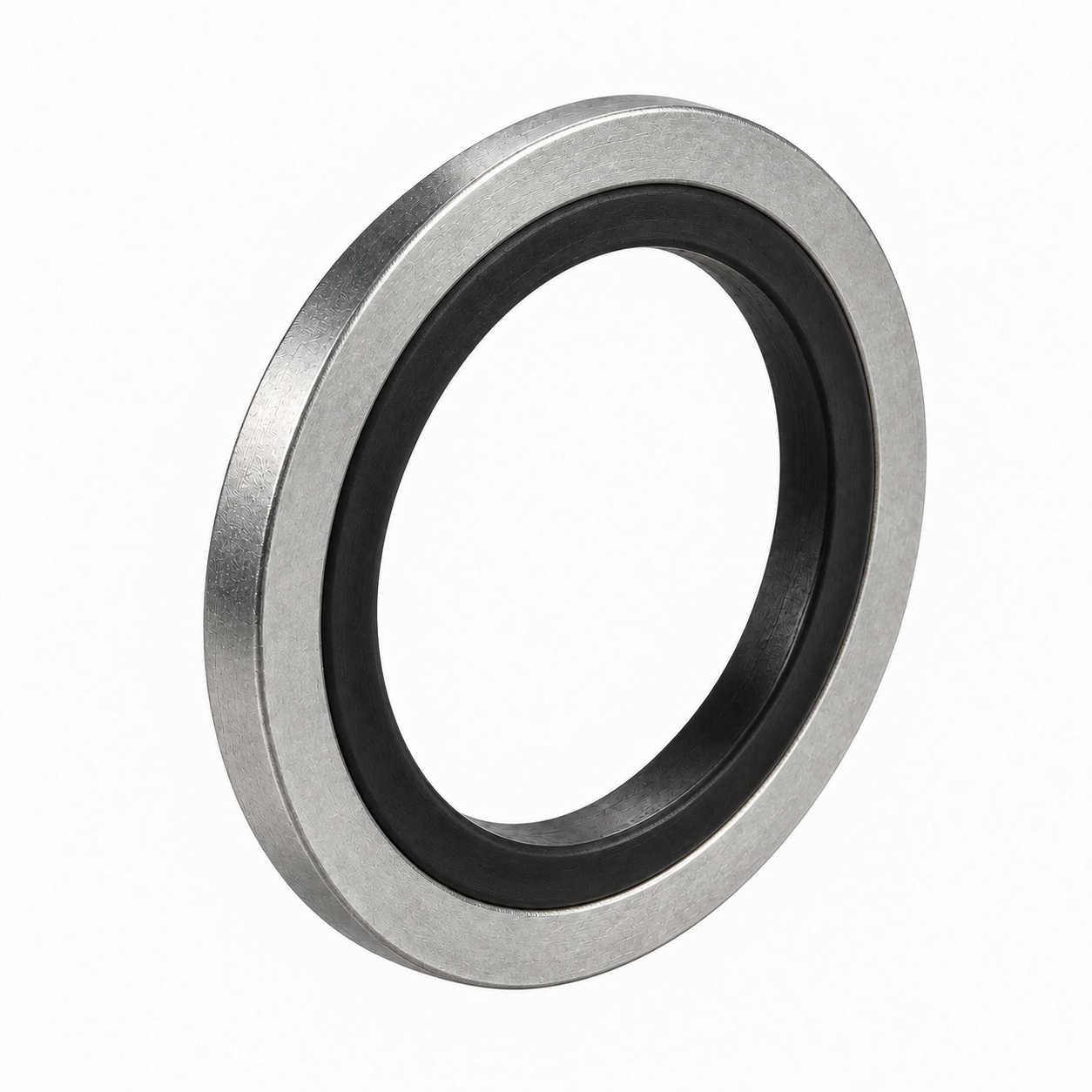
Black circular rubber flange gasket with eight bolt holes

Rubber-to-Metal Bonded Parts

Rubber-to-metal bonded components combine elastomeric materials with metallic inserts or substrates to provide controlled flexibility, load transfer, vibration isolation or sealing performance.
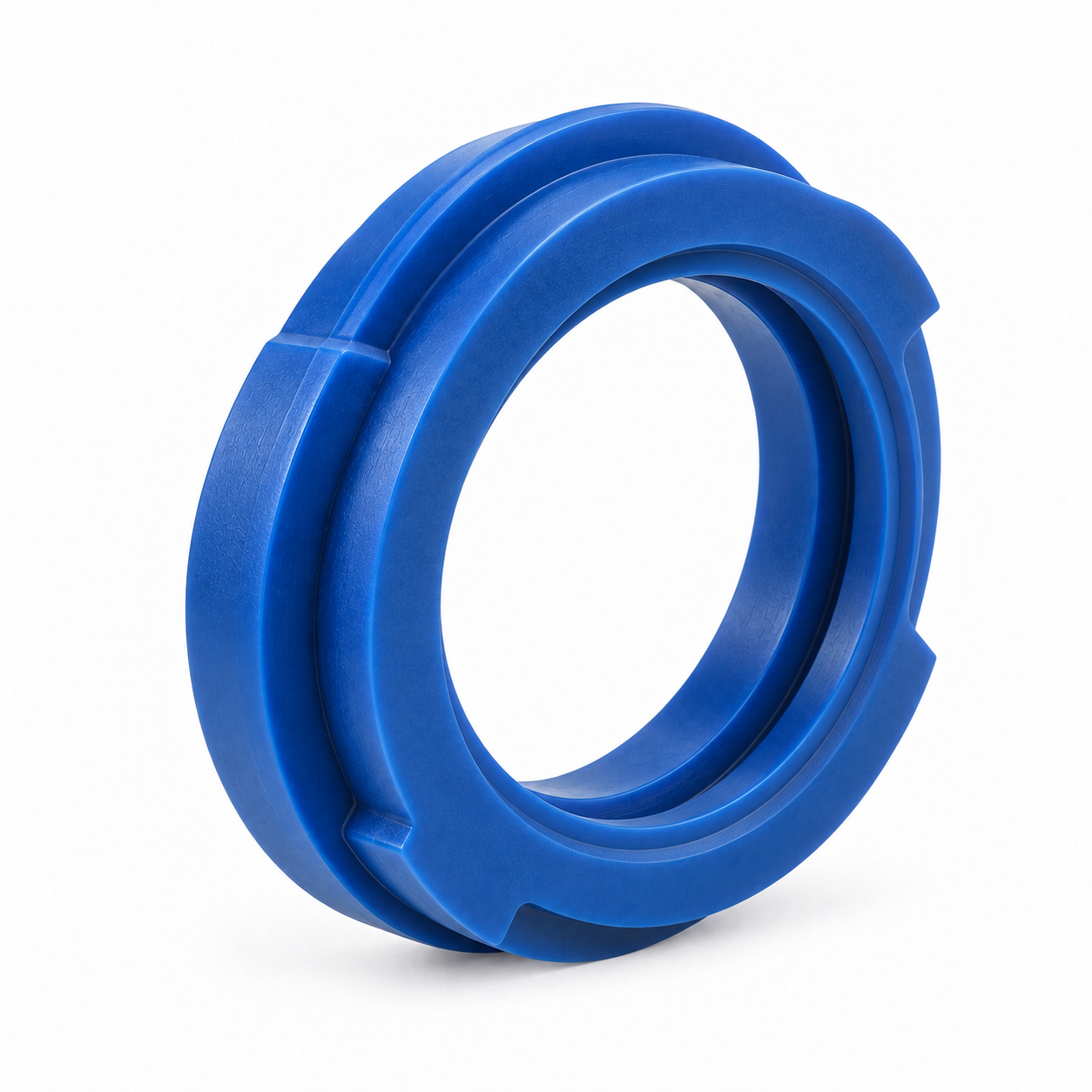
Blue profiled seal illustrating a metal detectable rubber component

Metal Detectable Moulded Rubber Parts

Metal detectable rubber components incorporate specialist additives designed to improve the detectability of elastomer fragments by suitable metal detection equipment.
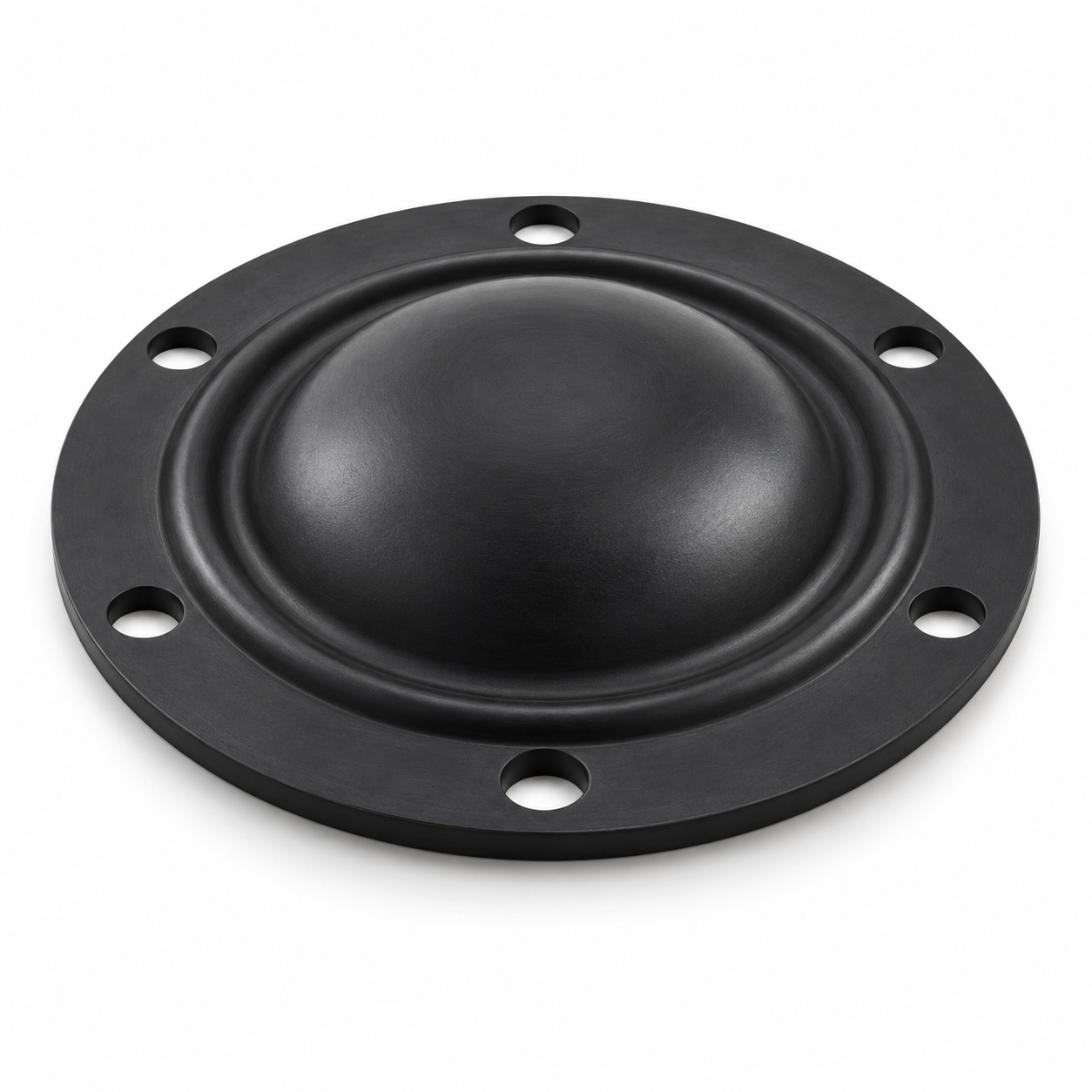
Black domed rubber diaphragm with flange mounting holes

Rubber Diaphragms

Rubber diaphragms are flexible moulded components designed to separate chambers, accommodate movement or transmit pressure within mechanical and fluid-control equipment.
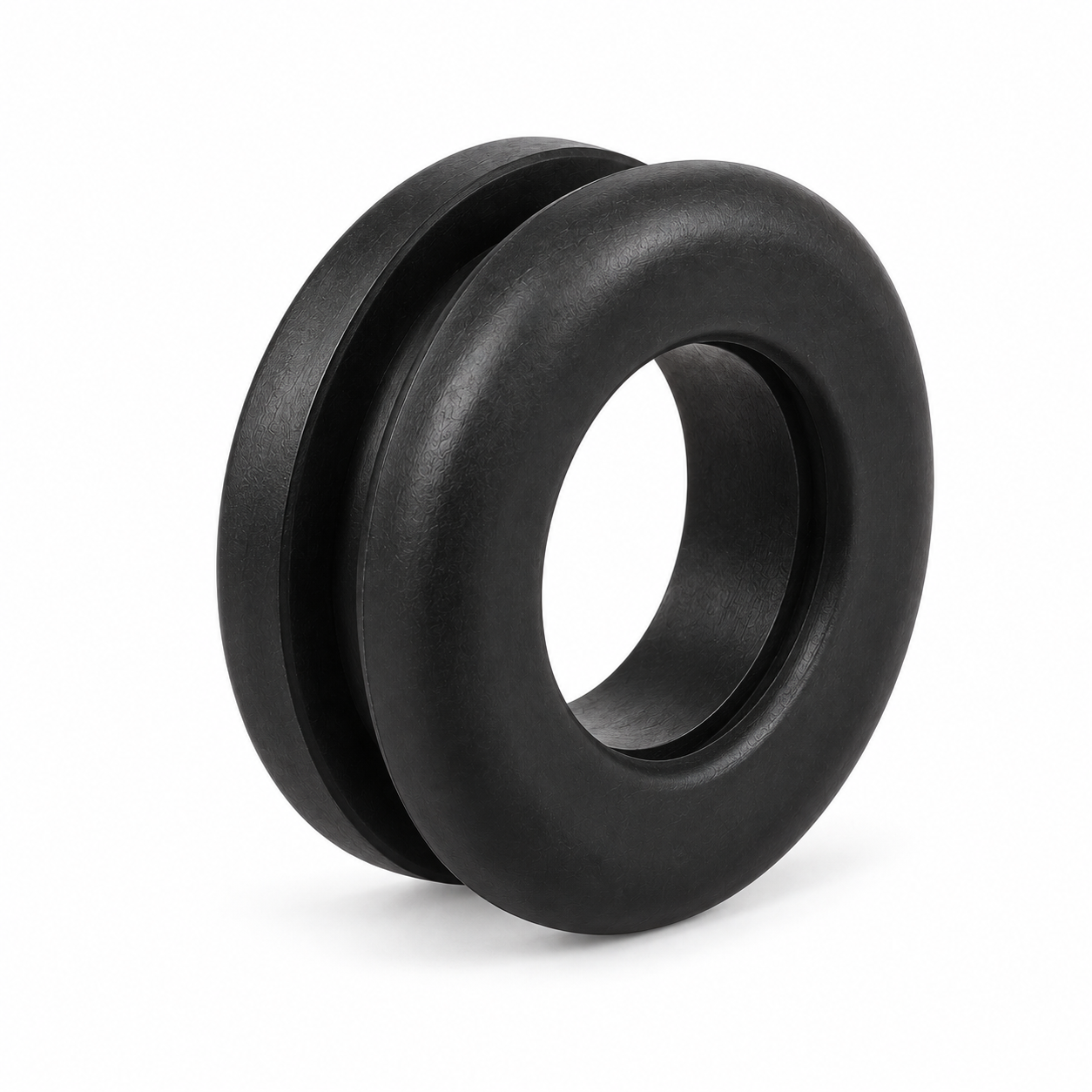
Black rubber grommet with a grooved outer profile

Rubber Bushes & Grommets

Moulded rubber bushes, grommets and washers are used to provide cushioning, protection, vibration isolation and controlled spacing within industrial assemblies. These help reduce mechanical wear and accommodate movement.
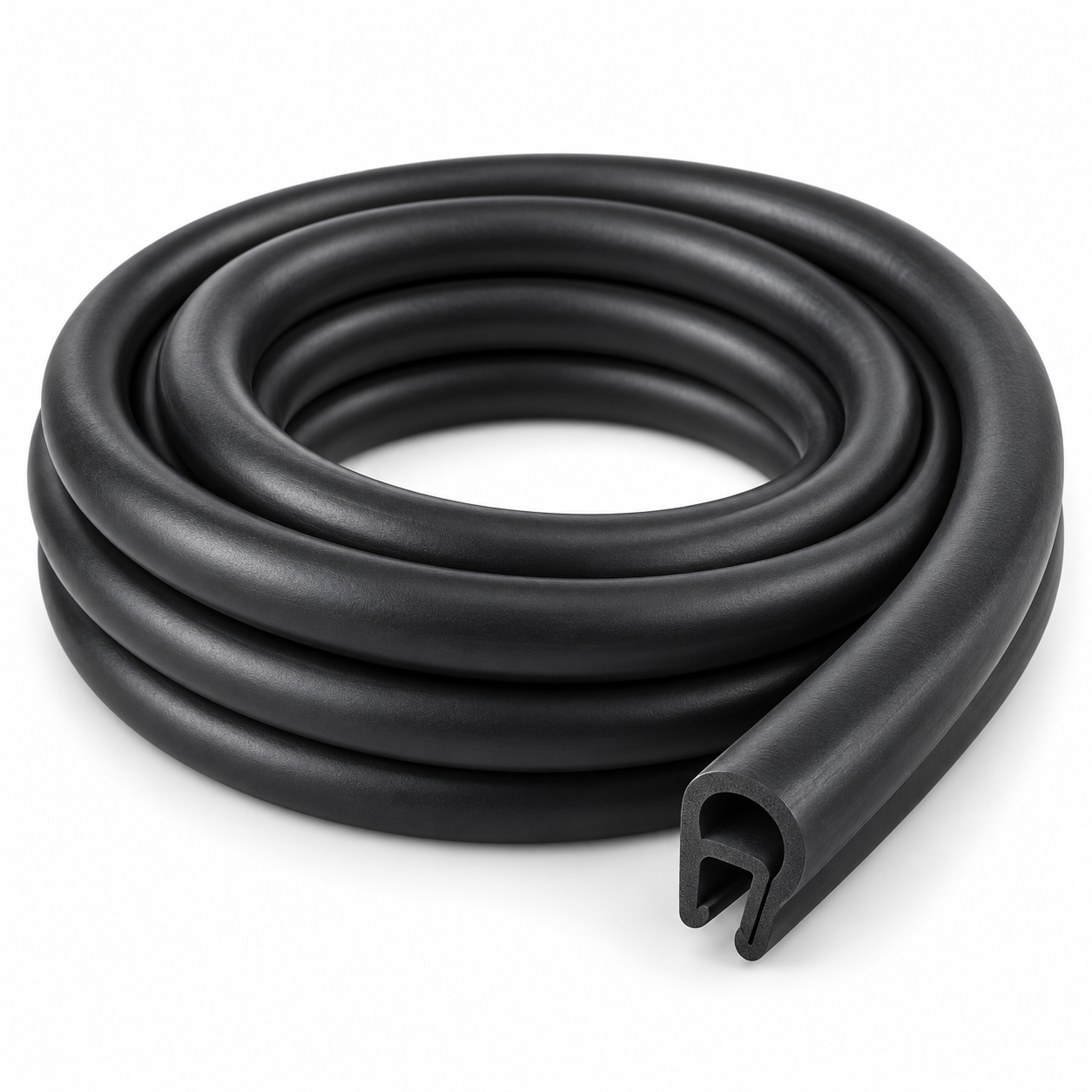
Coiled black rubber extrusion with a hollow profile

Rubber Extrusions, Cord & Profiles

Rubber extrusions are manufactured in continuous lengths, making them suitable for sealing strips, protective edging, rubber cord and specialist industrial profiles.

What Are Custom Moulded Rubber Parts?

Custom moulded rubber parts are elastomer components manufactured using moulds designed to produce specific geometries, profiles or functional features. Unlike standard rubber products available in established catalogue dimensions, custom mouldings are developed around the requirements of the application.

Rubber compounds are shaped within a mould using controlled heat and pressure, allowing components with complex profiles, varying wall thicknesses and integrated features to be produced. The resulting parts may be used for sealing, protection, vibration isolation, fluid control or other mechanical functions.

Custom moulded rubber components are particularly useful where standard O-rings, flat gaskets or preformed seals cannot provide the required fit, movement capability or operating performance. The design and material must be considered together. Factors such as compression, deflection, temperature, chemical compatibility, dimensional tolerances and manufacturing volume can influence the finished component. Where a continuous profile is required rather than a discrete moulded part, rubber extrusion may provide a more appropriate manufacturing solution.

International Seal supports custom moulded and extruded rubber requirements from customer drawings, existing specifications and physical samples.

Materials for Bespoke Rubber Mouldings

Different elastomer families offer different levels of resistance to oils, fuels, water, chemicals, temperature, weathering and mechanical stress. Therefore, material selection is critical to achieving reliable component performance. International Seal can support moulded components in a range of standard and specialist compounds.

International Seal can support moulded components in a range of standard and specialist compounds.

NBR (Nitrile Rubber)

NBR provides good resistance to mineral oils, lubricants, fuels and many industrial fluids. It is commonly used for industrial seals, washers, bushes and moulded components in machinery, fluid-handling and automotive applications.

EPDM

EPDM offers excellent resistance to water, ozone, weathering and environmental ageing, with suitable formulations available for hot water and steam applications. It is widely used in outdoor equipment, water systems, process machinery and environmental sealing applications.

FKM (Fluoroelastomer)

FKM provides high-temperature capability and resistance to many oils, fuels and industrial chemicals. It is commonly selected for automotive, aerospace, chemical-processing and specialist industrial components requiring enhanced thermal and chemical performance.

Silicone

Silicone rubber offers flexibility across a broad temperature range and is available in specialist formulations for applications with particular cleanliness or compliance requirements. It is used in food processing, medical equipment, electronics and temperature-sensitive assemblies.

HNBR

HNBR combines good resistance to many oils and lubricants with improved heat, oxidation and mechanical performance compared with conventional NBR. It is suitable for demanding industrial, automotive and oil and gas applications.

FFKM

FFKM is a specialist high-performance elastomer offering exceptional chemical resistance and elevated-temperature capability in suitable formulations. It is used in critical processing equipment, semiconductor manufacturing and other demanding environments where conventional elastomers may be unsuitable.

Additional compounds, including CR (neoprene) and application-specific formulations, can be reviewed where required.

Selecting Materials for Custom Rubber Seals

Selecting the appropriate rubber compound is essential for ensuring that a moulded or extruded component performs reliably throughout its intended service life.

Material compatibility must be assessed alongside mechanical strength, hardness, flexibility, compression behaviour and the expected operating environment.

Material Typical Considerations
NBR Commonly selected for oils, fuels and general industrial sealing applications
EPDM Suitable for many water, steam, weathering and hygienic processing applications
FKM / Viton™ Used where higher temperature capability and chemical resistance are required
Silicone Selected where temperature flexibility, cleanliness or specialist compliance requirements are important
FFKM Used for highly demanding chemical and high-temperature sealing applications
Neoprene / CR General-purpose elastomer offering good weathering and mechanical resistance
Specialist Compounds Selected FDA-compliant, USP Class VI, conductive and anti-static elastomer compounds available subject to specification and supporting documentation

The characteristics above are indicative. Actual material performance depends on the compound formulation, operating temperature, exposure conditions and component design. Specialist metal detectable formulations may also be available in selected elastomer families, subject to the required material grade and manufacturing process.

For additional material information, visit our Chemical Compatibility Guide and Elastomer Temperature Range Guide.

Rubber Moulding & Extrusion Processes

Custom rubber components can be manufactured using different processes depending on their shape, material, tolerances and production requirements. Selecting the appropriate manufacturing method helps balance component quality, tooling requirements and commercial production costs.

Compression Moulding

Compression moulding involves placing a measured quantity of rubber compound into a heated mould cavity, where pressure and heat are applied to form and cure the component. It is commonly used for gaskets, diaphragms, seals and other industrial rubber parts.

Compression moulding can be particularly suitable for certain larger components, relatively simple geometries and specialist elastomer compounds.

Injection Moulding

Rubber injection moulding introduces prepared elastomer material into a closed mould under controlled conditions. The process can support repeatable production of complex parts, making it particularly relevant for higher-volume applications where consistent component dimensions and production efficiency are important.

Transfer Moulding

Transfer moulding uses pressure to move rubber compound from a transfer chamber into the mould cavity. It can be suitable for components incorporating inserts, detailed features or geometries that benefit from controlled material flow.

Rubber Extrusion

Rubber extrusion involves forcing prepared elastomer material through a shaped die to create a continuous cross-sectional profile, followed by appropriate curing and finishing. The process is commonly used to manufacture rubber cord, sealing strips, tubing and other continuous-profile components.

Custom extrusion tooling may be required for non-standard shapes, while established tooling may be available for commonly used profiles. The appropriate manufacturing process depends on the component geometry, material, production volume and dimensional requirements.

International Seal can review these requirements with its manufacturing partners when quoting custom components.

Prototype & Low-Volume Rubber Components

Not every custom rubber project begins with a large production requirement. Prototype moulding and small-batch manufacturing can be useful during product development, equipment testing, material evaluation and the replacement of specialist components.

International Seal can review prototype and low-volume rubber moulding requirements where part dimensions, material properties and initial quantities have been defined.

Prototype Development

Prototype rubber components allow engineers to assess fit, functionality and material performance before committing to repeat production. Depending on the design and manufacturing process, sample tooling or alternative production methods may be considered.

Low-Volume Production

Small production batches may be suitable for specialist machinery, development programmes, replacement parts or equipment with limited annual demand. Minimum order quantities depend on tooling requirements, component complexity, elastomer material and manufacturing economics.

Production Scale-Up

Where a component progresses from development into commercial production, tooling and manufacturing methods may be reviewed to improve consistency and unit costs. Providing estimated annual usage alongside initial prototype quantities helps establish the most appropriate manufacturing approach.

International Seal can review drawings, samples and technical requirements to determine suitable sourcing options.

Metal Detectable Moulded Rubber Parts

Metal detectable rubber is designed to improve the identification of elastomer contamination within food and beverage production systems. These compounds incorporate detection-enhancing additives within the elastomer formulation, allowing suitably sized fragments to be detected under validated operating conditions.

Metal detectable materials may be particularly relevant for:

International Seal can review requirements for custom metal detectable moulded seals, gaskets, profiles and specialist components in suitable EPDM, silicone and FKM grades. Material selection must account for chemical compatibility, operating temperature, dimensional requirements and applicable food-contact standards.

Detectability depends on the compound, fragment size and shape, product being inspected and the sensitivity and configuration of the detection equipment. Suitability must be validated under the intended production conditions.

For additional information, explore our Metal Detectable Seals technical page.

Custom Rubber Parts Manufactured to Drawing or Sample

Not every custom moulding enquiry begins with a complete technical drawing. However, International Seal can review requirements based on existing component drawings, CAD files, manufacturer references or physical samples.

Manufacture to Drawing

Where a drawing is available, components can be assessed against specified dimensions, tolerances, materials and operating requirements. Drawings can also identify critical features such as sealing lips, grooves, locating points, reinforcement and assembly interfaces.

Replacement Parts from Samples

Where an existing component is obsolete, difficult to source or no longer supported by its original manufacturer, a physical sample may help establish the dimensions and construction. Material identification and dimensional assessment may be necessary before an alternative component can be quoted.

Prototype & Production Requirements

Custom rubber components may be required for initial development, replacement applications or ongoing production. Tooling, minimum quantities, manufacturing lead times and inspection requirements depend on the complexity of the component and selected material.

Our team can review the available information and establish an appropriate quotation route.

Custom Rubber Moulding Tooling and Production

Most custom moulded rubber components require dedicated tooling to produce the specified geometry. The tooling design must account for part dimensions, elastomer shrinkage, wall thickness, mould release, tolerances and the proposed manufacturing process.

In addition, extruded rubber components may require a dedicated die to produce a non-standard cross-sectional profile.

Tooling Costs

Tooling costs depend on component complexity, cavity configuration, material and manufacturing requirements. For repeat production components, multi-cavity tooling may be considered where suitable to improve production efficiency.

Minimum Order Quantities

Minimum order quantities depend on the component dimensions, compound, manufacturing process and production economics. Low-volume prototypes may be feasible for some parts, while others require larger production batches to justify tooling and manufacturing costs.

Production Consistency

For repeat requirements, material specifications, critical tolerances and relevant inspection criteria should be established so that subsequent orders can be supplied consistently. Tooling ownership, storage and repeat-order arrangements should be agreed as part of the quotation where relevant.

Standard Rubber Parts vs Custom Components

Standard rubber products are often the most economical solution when an established size and suitable material are available. Custom manufacturing becomes relevant when the application requires a non-standard geometry, integrated design feature or material specification.

A flat gasket, for example, may be manufactured from rubber sheet where the design has a uniform thickness.

A moulded gasket may be preferable where the component requires raised sealing beads, locating features or a controlled three-dimensional profile.

Similarly, a continuous sealing strip or rubber cord may be more appropriately manufactured using extrusion, while a three-dimensional component with complex features may require moulding. International Seal supplies standard sealing products alongside custom moulded and extruded rubber components, enabling the manufacturing approach to be selected according to the application.

For standard circular seals, see our O-Rings range. For flat gasket materials, explore our Rubber Sheeting products.

Custom Moulded Rubber Specifications

Accurate component specifications help establish manufacturing feasibility, material suitability and quotation requirements.

When requesting a custom rubber component, the following information is useful:

Where full specifications are unavailable, photographs, measurements and a description of the equipment can provide a useful starting point. For metal detectable or food-contact applications, the required detection and compliance specifications should be included in the original enquiry.

International Seal can review the information with its supply partners to assess suitable material and manufacturing options.

Industrial Applications for Bespoke Rubber Mouldings

Custom moulded and extruded rubber components are used across a wide range of industries where standard products cannot meet the required geometry, operating conditions or mechanical performance.

Aerospace & Defence

Specialist rubber seals, boots, diaphragms and engineered components for applications involving defined material specifications, temperature variation and demanding operating environments.

Automotive

Custom moulded seals, bushes, boots, bonded components and extruded rubber profiles for automotive equipment, assemblies and fluid-handling systems.

Food & Beverage

Moulded gaskets, metal detectable seals, diaphragms and elastomer components manufactured from suitable food-contact compliant grades for hygienic processing equipment.

Medical & Pharmaceutical

Precision rubber components and specialist mouldings for equipment requiring specific material properties, dimensional requirements, cleanliness or appropriate regulatory documentation.

Oil & Gas

HNBR, FKM and specialist elastomer components for equipment operating with hydrocarbons, pressure, temperature and demanding mechanical conditions.

Chemical Processing

Custom seals, diaphragms and moulded rubber components using materials selected according to chemical exposure, temperature and process conditions.

General Engineering

Rubber bushes, grommets, extruded profiles, seals, vibration-control components and bespoke mouldings for industrial machinery and mechanical assemblies.

Semiconductor Equipment

Specialist elastomer components for equipment requiring controlled material properties, chemical resistance and defined contamination requirements.

Why Choose International Seal?

International Seal supplies engineered sealing products to distributors, OEMs and industrial customers throughout the UK and Europe. Our established international sourcing network enables us to support both standard and specialist sealing requirements across a broad range of industries.

Prototype & Production Support

Support for low-volume requirements, prototype development and repeat production orders.

Specialist Elastomer Materials

NBR, EPDM, FKM, silicone, HNBR, FFKM and application-specific compounds, including selected metal detectable formulations.

Competitive Supply

Established international supplier relationships supporting competitive quotations for tooling and ongoing manufacturing requirements.

Technical Support

Assistance reviewing compound selection, component geometry, operating conditions and manufacturing specifications.

Custom Moulded Rubber FAQs

What are custom moulded rubber parts?

Custom moulded rubber parts are elastomer components manufactured using moulds designed to produce particular shapes, dimensions and features. They are used for sealing, protection, vibration isolation, movement accommodation and mechanical applications.

What types of custom rubber components can you supply?

International Seal can review requirements for custom rubber seals, moulded gaskets, diaphragms, bellows, boots, bushes, grommets, washers, rubber-to-metal bonded components and extruded profiles.

What materials are available for custom rubber moulding?

Common materials include NBR, EPDM, FKM, silicone, HNBR and FFKM. Additional specialist formulations, including metal detectable compounds, can be considered depending on the application.

Can you supply prototype rubber mouldings?

Yes. International Seal can review prototype requirements based on drawings, samples and material specifications. Tooling, minimum quantities and manufacturing options depend on the component design.

Can you manufacture small quantities of custom rubber parts?

Low-volume production may be possible depending on the design, material and manufacturing method. Minimum order quantities and tooling requirements are assessed individually.

What are metal detectable moulded rubber parts?

Metal detectable moulded rubber parts use specialist elastomer compounds containing additives designed to improve detectability by suitable metal detection equipment. They are used in contamination-sensitive applications, particularly food and beverage processing.

Can metal detectable rubber components be food-contact compliant?

Suitable formulations may meet particular food-contact requirements. Compliance must be verified for the exact material grade, intended contact conditions and applicable regulations.

What is the difference between rubber moulding and extrusion?

Rubber moulding produces discrete components using a mould cavity. Rubber extrusion produces continuous lengths of material with a defined cross-sectional profile using a shaped die.

Can you supply custom rubber parts from a drawing?

Yes. International Seal can review technical drawings, CAD files and customer specifications to establish suitable material, tooling and manufacturing options.

Can you reproduce an existing rubber component from a sample?

Existing components can often be reviewed using samples, photographs and dimensional information. Feasibility depends on the part geometry, material identification and required tolerances.

Need a Custom Rubber Component Quote?

International Seal supplies custom moulded rubber parts, metal detectable components, prototype mouldings and rubber extrusions for industrial, mechanical and specialist engineering applications. Our international sourcing network supports custom seals, moulded gaskets, diaphragms, bellows, boots, bushes, bonded assemblies and continuous rubber profiles in a range of standard and specialist elastomer compounds.

Whether you require a prototype, low-volume production, an alternative supplier for an existing part or repeat manufacturing quantities, we can review your requirements. Send us your technical drawing, CAD file, sample or material specification, together with the required quantity and operating conditions.